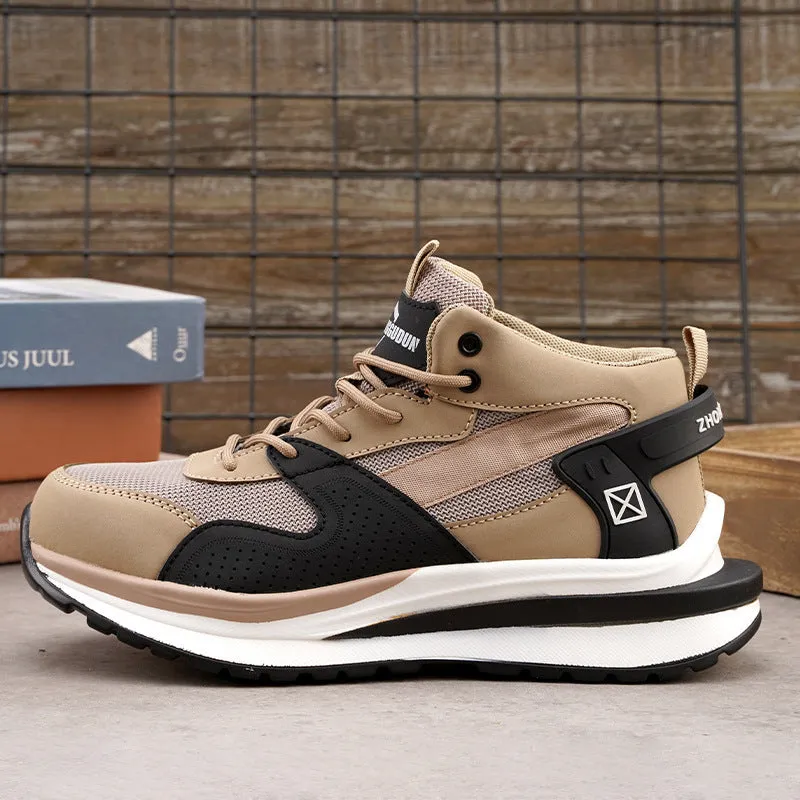
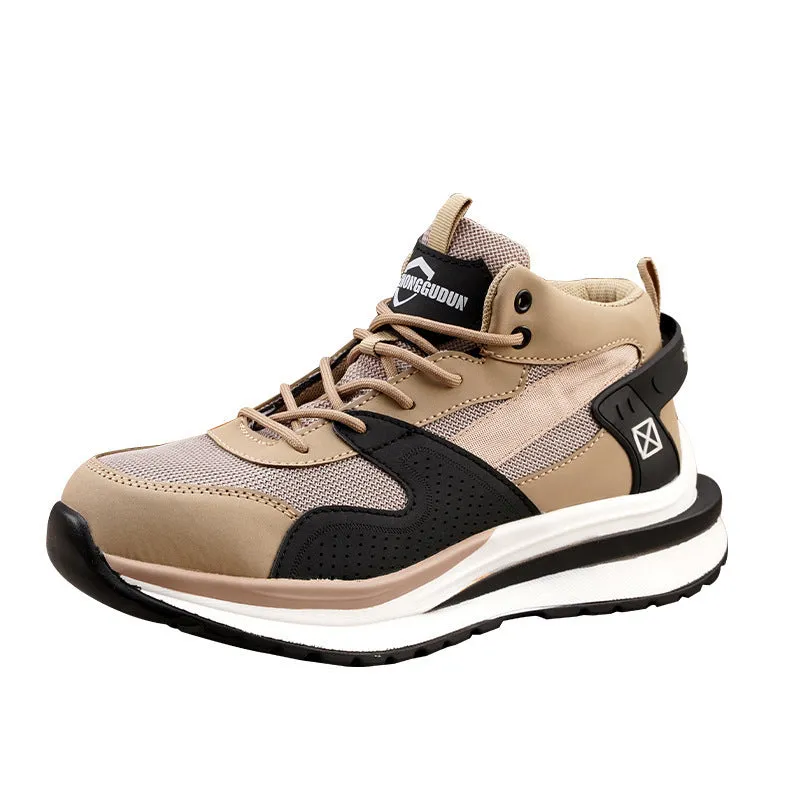
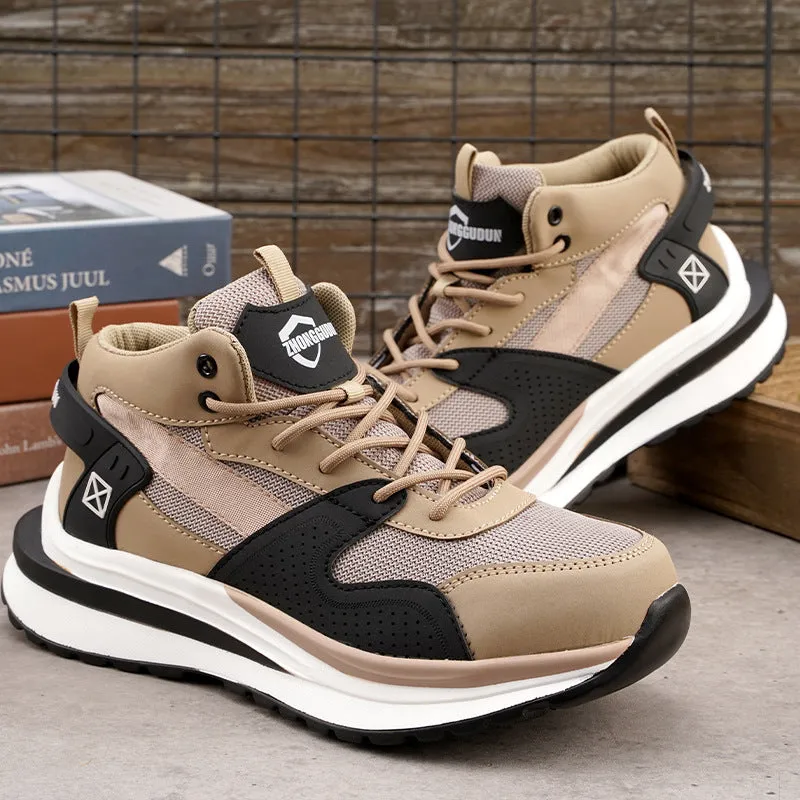
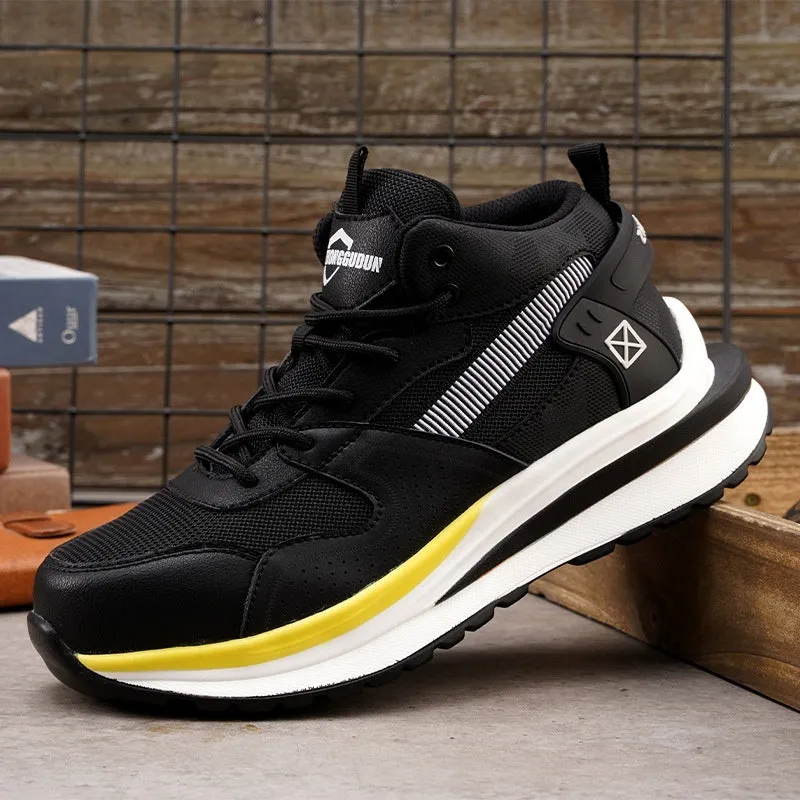
Steel toe safety boots for men, anti-smash anti-penetration construction site work shoes, low-top flat knitted uppers with rubber sole and lace-up closure, available in black, brown and grey colour options


Steel toe safety boots for men, anti-smash anti-penetration construction site work shoes, low-top flat knitted uppers with rubber sole and lace-up closure, available in black, brown and grey colour options
Steel toe safety boots with anti-penetration protection for construction and industrial work
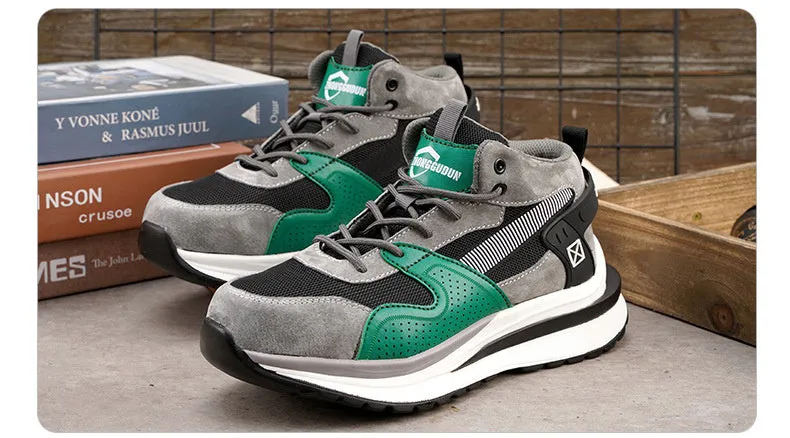
Engineered for environments where foot protection is non-negotiable, these safety boots combine a reinforced steel toe cap with a construction designed to resist penetration. They serve workers in petroleum mining, agriculture, forestry, animal husbandry, and general industrial parks, addressing core hazards of impact from falling objects and sharp objects underfoot. The design prioritises a practical defence mechanism for your feet, integrating key safety features into a work-ready boot suitable for various manual labour scenarios.
Features and Construction
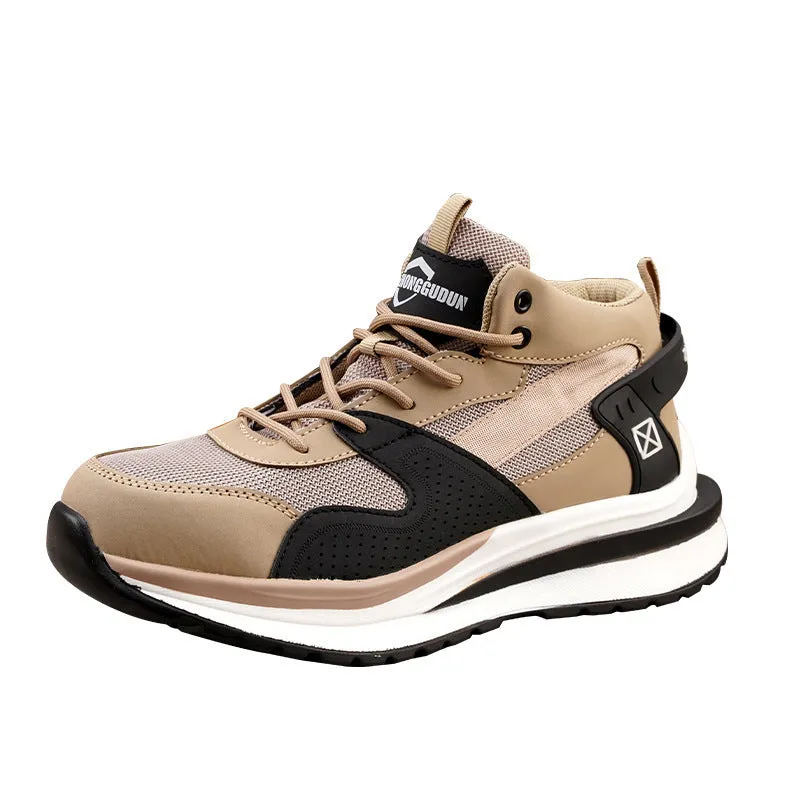
Built around recognised safety requirements, these boots incorporate specific protective elements and a particular manufacturing method. Each component, from the toe cap to the sole, is selected for its role in creating a barrier against workplace hazards.
Material and Build
The upper part of the boot is constructed from a flat knitted material, which forms the main body of the shoe. This is combined with a steel toe cap embedded in the toe area to create a rigid shield against impacts. The sole is made from rubber, a material chosen for its traction and resistance properties. The entire boot is assembled using a cold adhesive process, a specific shoemaking technique that bonds the components together.
Size and Practical Fit
Available in a comprehensive range of sizes from 37 to 48 yards, these boots aim to accommodate various foot sizes. The design is a low-top style, meaning the upper height sits at the ankle rather than extending further up the calf. The front lace-up closure allows you to adjust the tightness across the instep, helping to secure the boot firmly to your foot during movement and work.
Uses and Placement
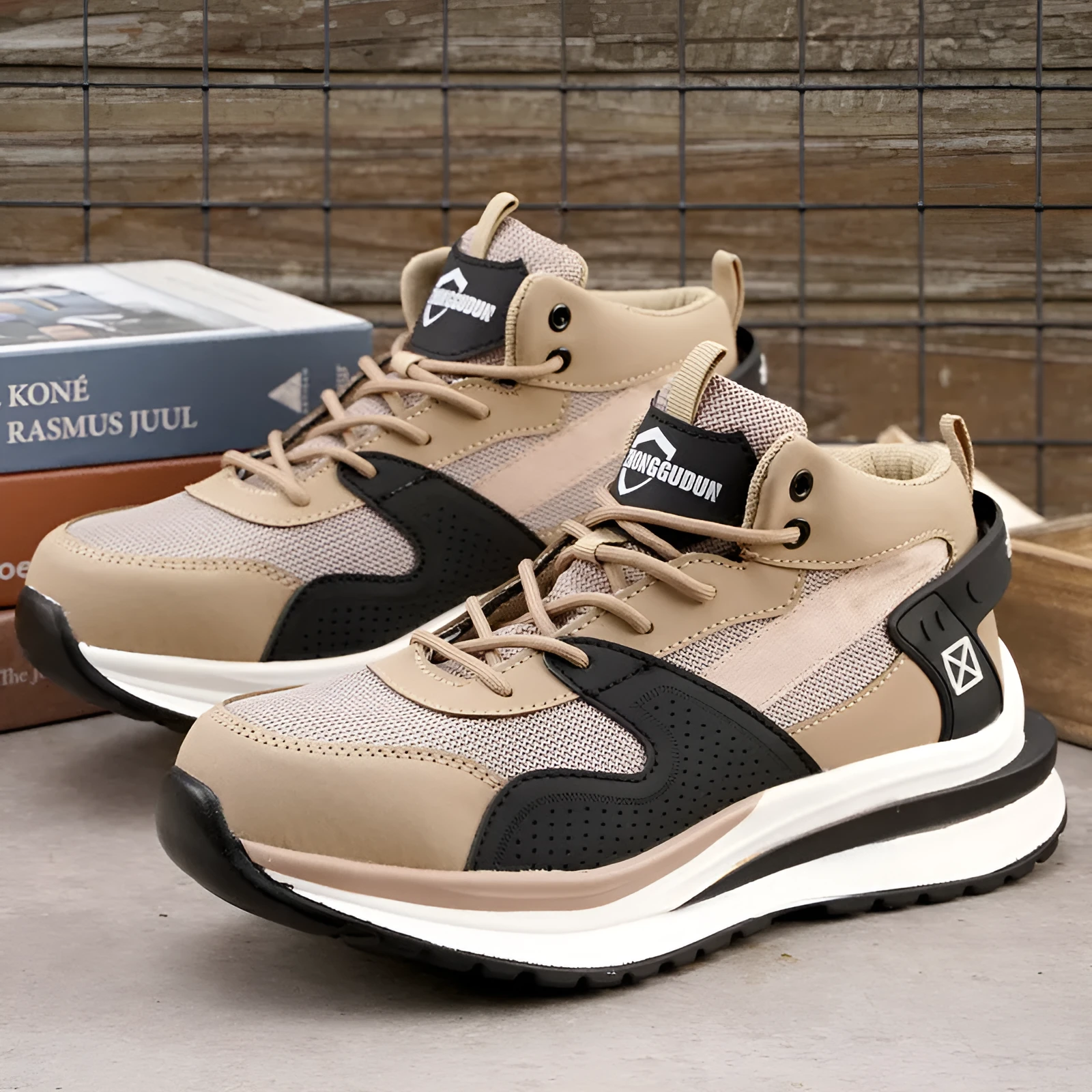
These boots are intended for scenarios where the risk of foot injury is significantly higher than in everyday settings. Their stated features align with the demands of physically demanding and often unpredictable work environments.
Event or Professional Use
The primary application is for professional, industrial, and agricultural labour. The specification for anti-smashing and anti-penetration directly corresponds to hazards present on construction sites, in mining operations, and during forestry work. The steel toe cap is a fundamental requirement for many such roles, where regulations or common sense dictate protection from heavy or dropped objects.
Everyday Home Use
While designed for industrial settings, the protective features could also be relevant for demanding DIY projects, landscaping work, or any home-based activity involving heavy materials, tools, or potential ground hazards. The lace-up design and rubber sole offer general utility for outdoor tasks where extra foot protection is desired.
Benefits and Buying Value
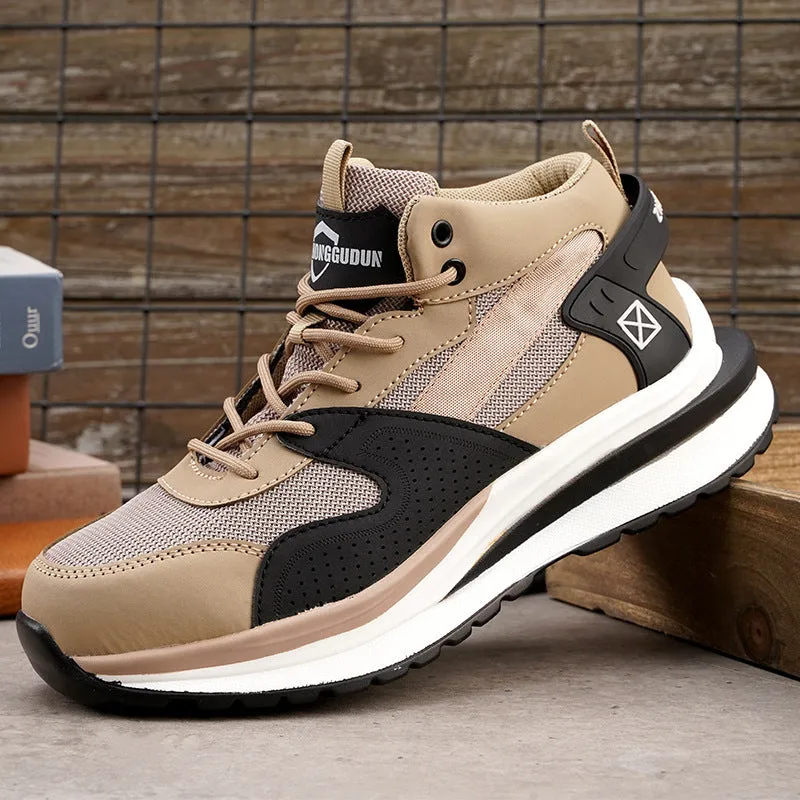
The value of these boots lies in their focused approach to a specific need: mitigating the risk of serious foot injury. They offer a practical solution built around identifiable protective components rather than unspecified general durability.
Reuse and Low Maintenance
The materials used—steel, rubber, and flat knitted fabric—are inherently robust for their intended purpose. The steel toe cap does not degrade with use in the same way a purely fabric cap would, and the rubber sole is resistant to wear from abrasion. This construction suggests a product meant for repeated use in challenging conditions, with a simple wipe-down being sufficient for basic upkeep.
Why Choose This Product
You would select these boots if your work or activities require certified or recognisable toe protection and defence against punctures. They provide a clear, feature-led answer to those specific hazards. The range of sizes and the choice of three colours (black, brown, and grey) offer a degree of practical selection to match uniform requirements or personal preference within a functional framework.