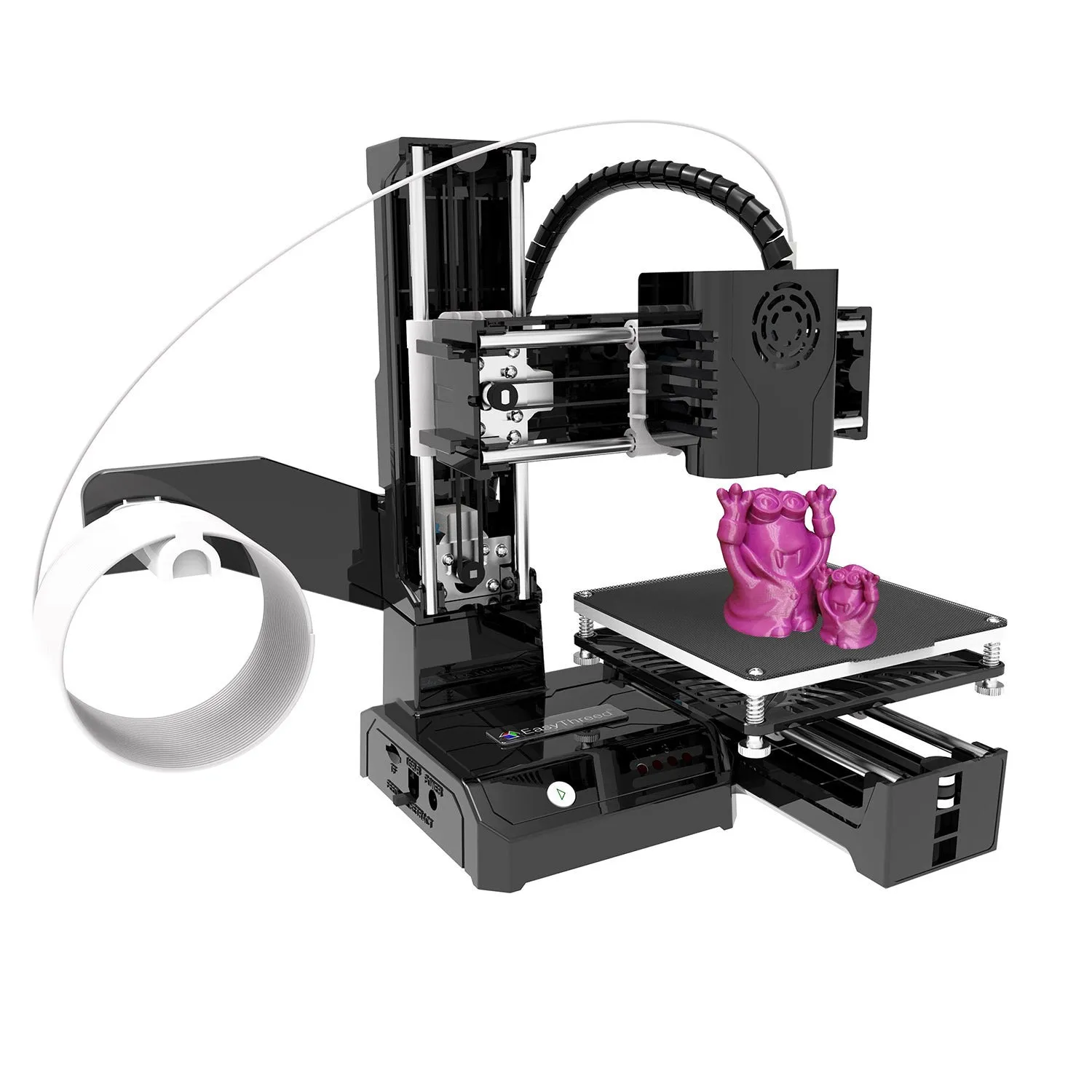
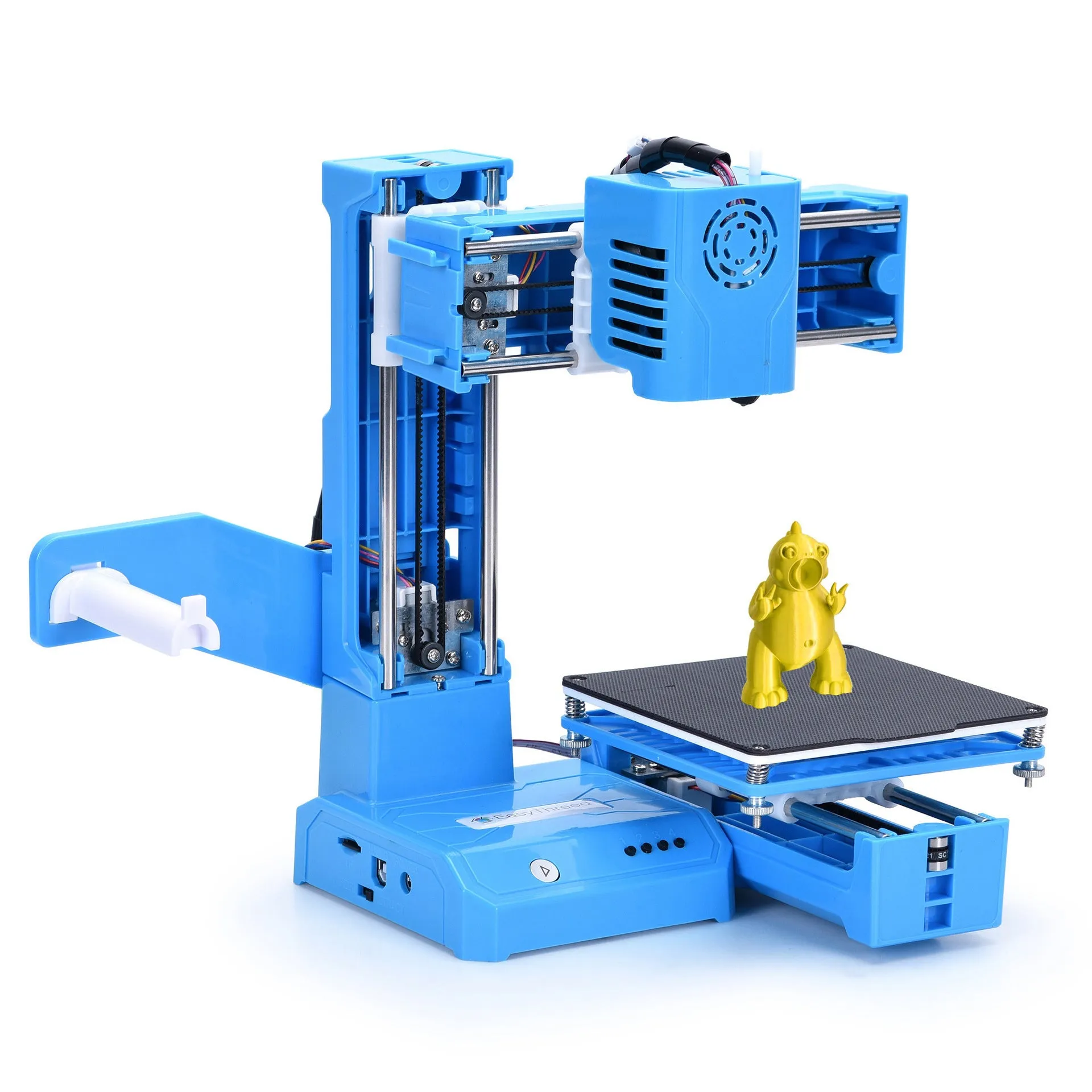
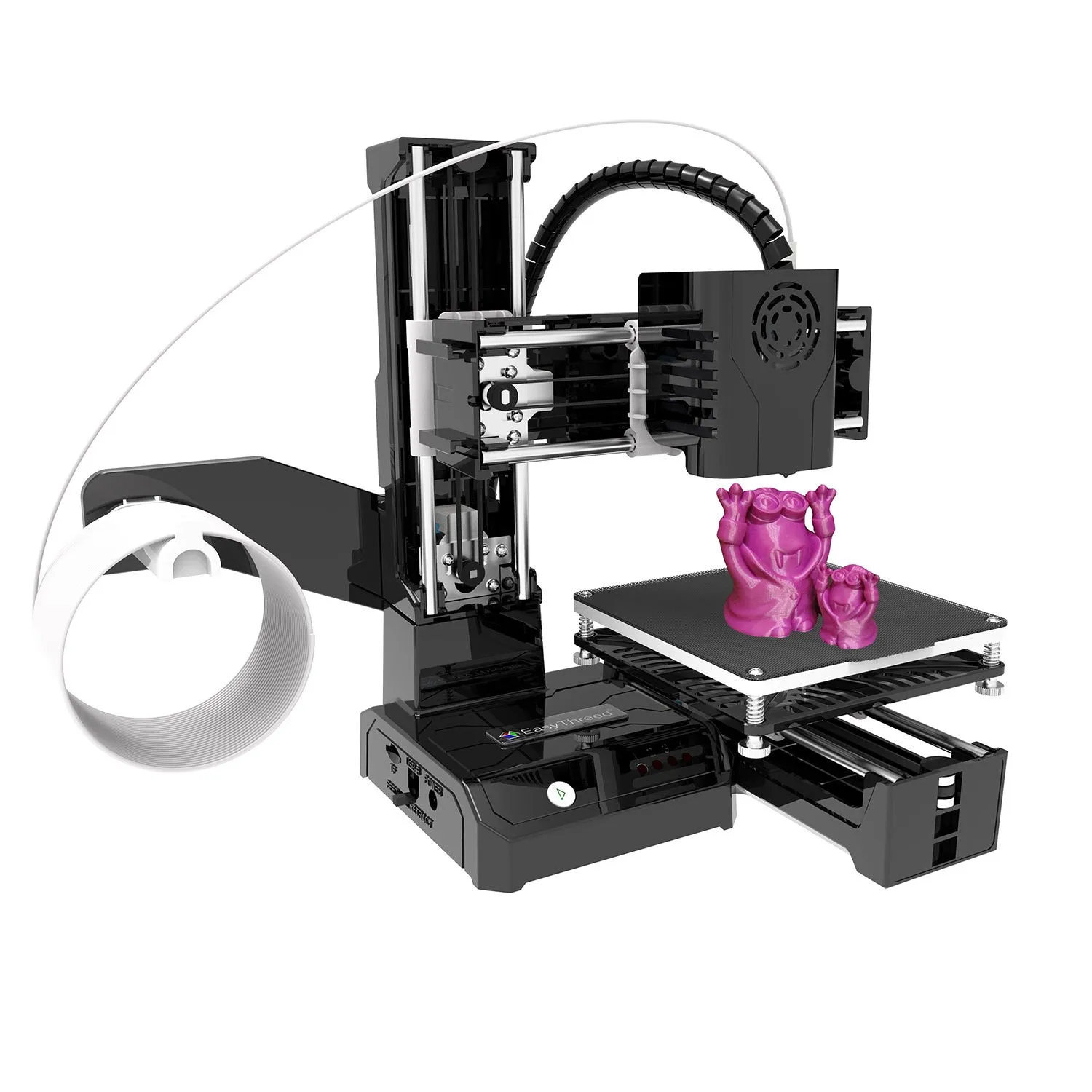
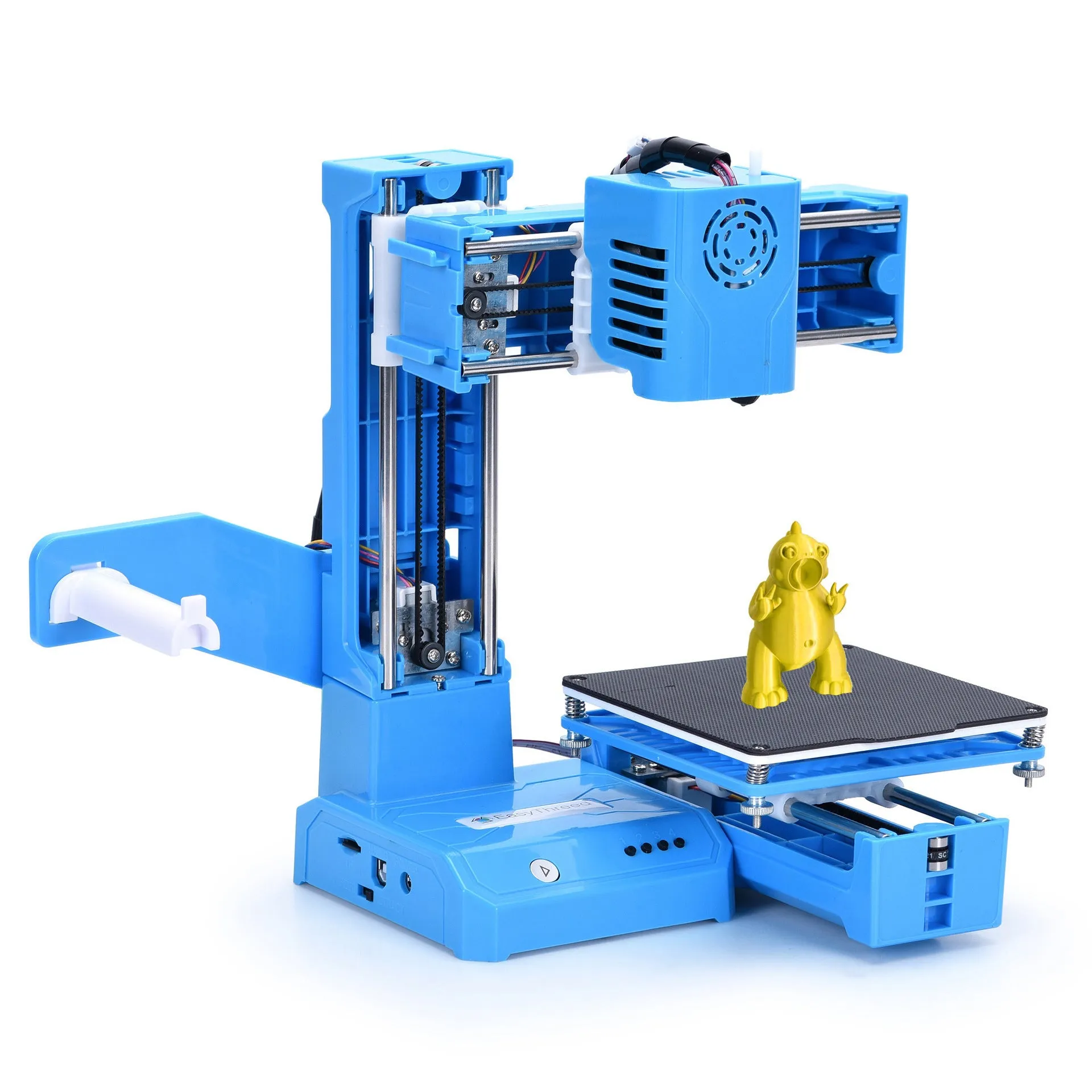
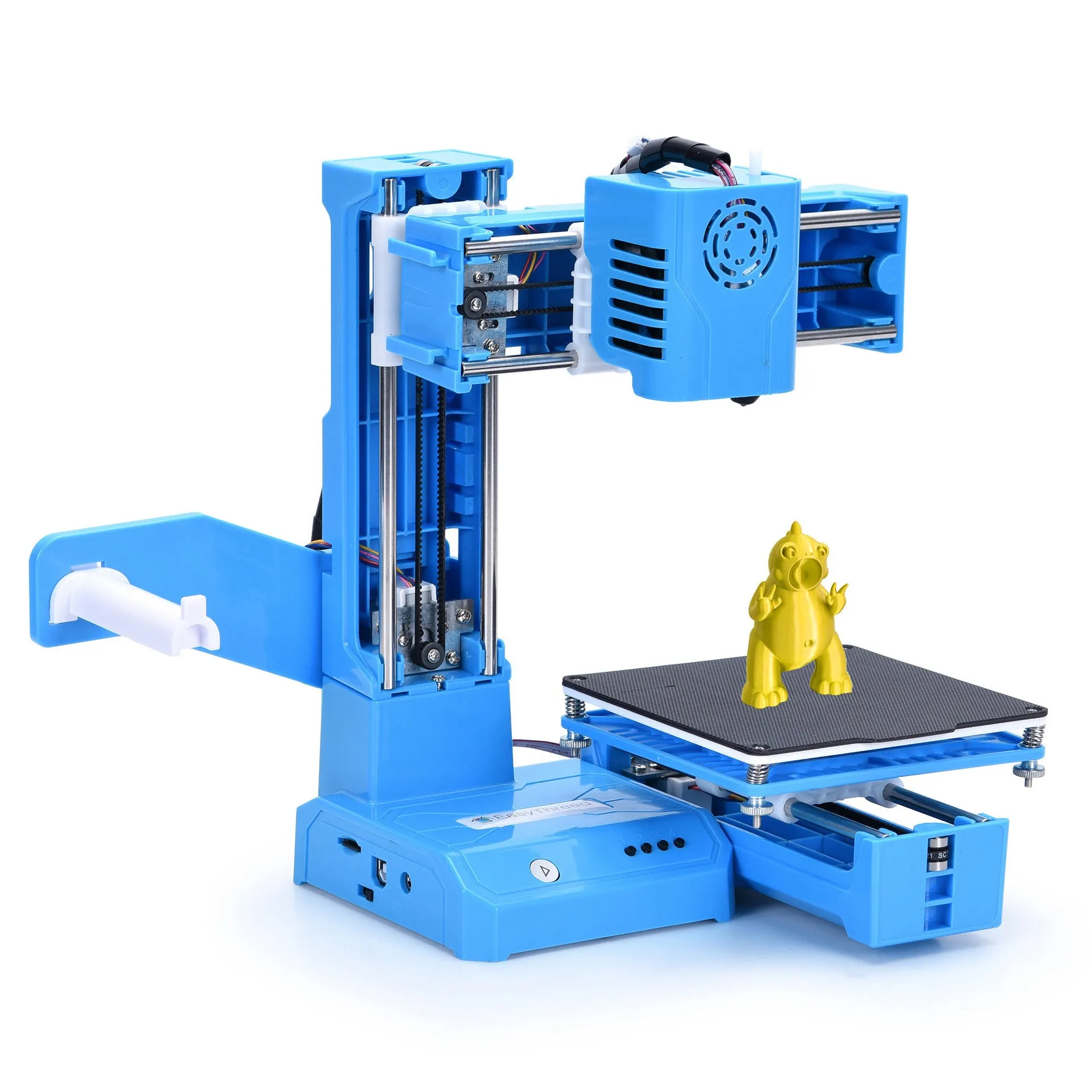
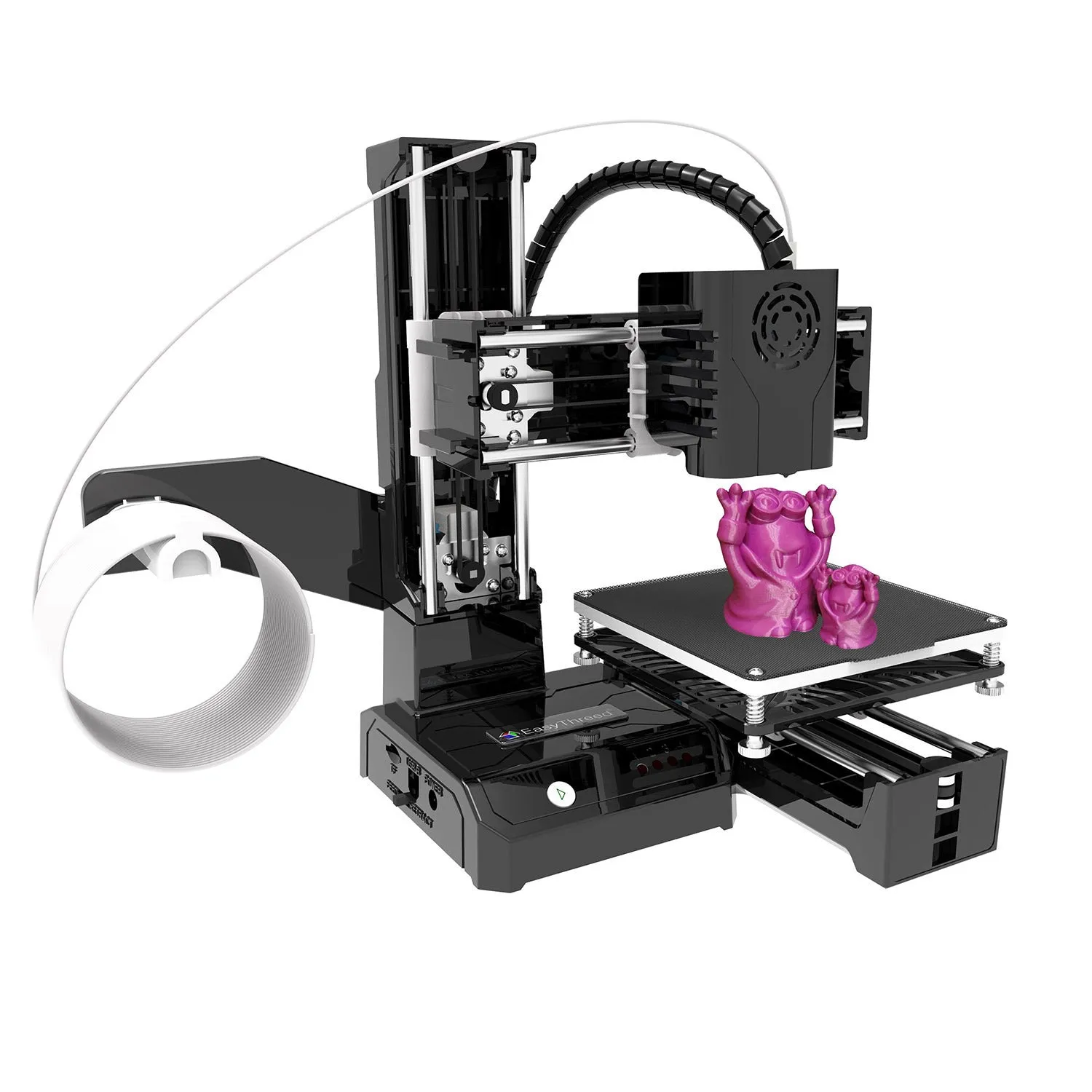
Mini 3D printer uses FDM technology for PLA filament with a 100x100mm build volume, compatible with multiple global power standards including US, UK, EU, AU, and Chinese national plugs


Mini 3D printer uses FDM technology for PLA filament with a 100x100mm build volume, compatible with multiple global power standards including US, UK, EU, AU, and Chinese national plugs
Mini FDM 3D printer with 100x100mm build volume for PLA filament projects
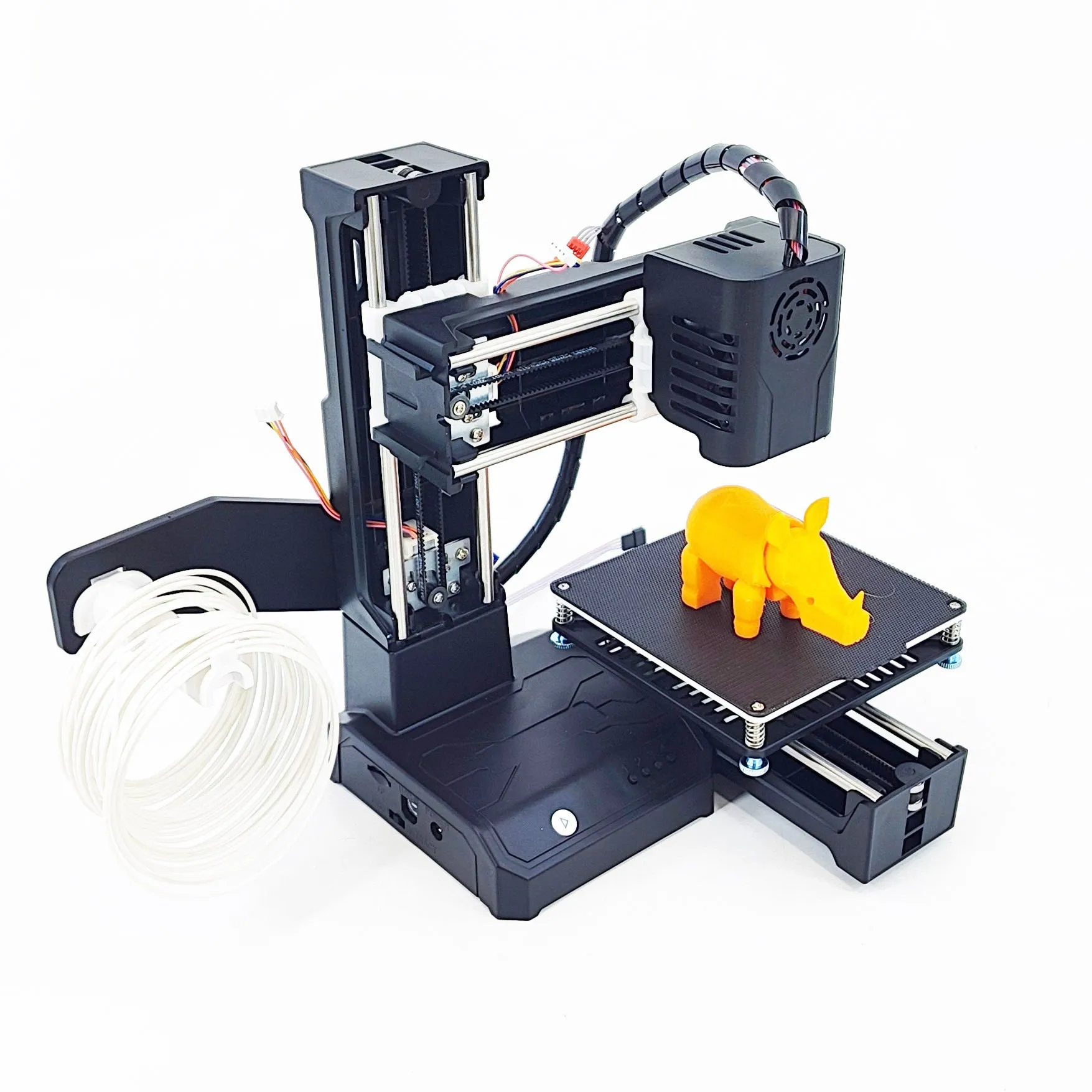
This compact 3D printer offers an accessible entry point into additive manufacturing, using Fused Deposition Modeling (FDM) technology specifically designed for PLA filament. With its 100x100mm build volume, the machine creates small-scale models, prototypes, and educational projects while occupying minimal workspace. The printer operates with a 12V input voltage and delivers consistent results through its 0.4mm layer thickness capability. What distinguishes this model is its accommodation of multiple international power standards, including US, UK, EU, Australian, and Chinese national plug configurations available in both black and blue colour options.
Features and Construction
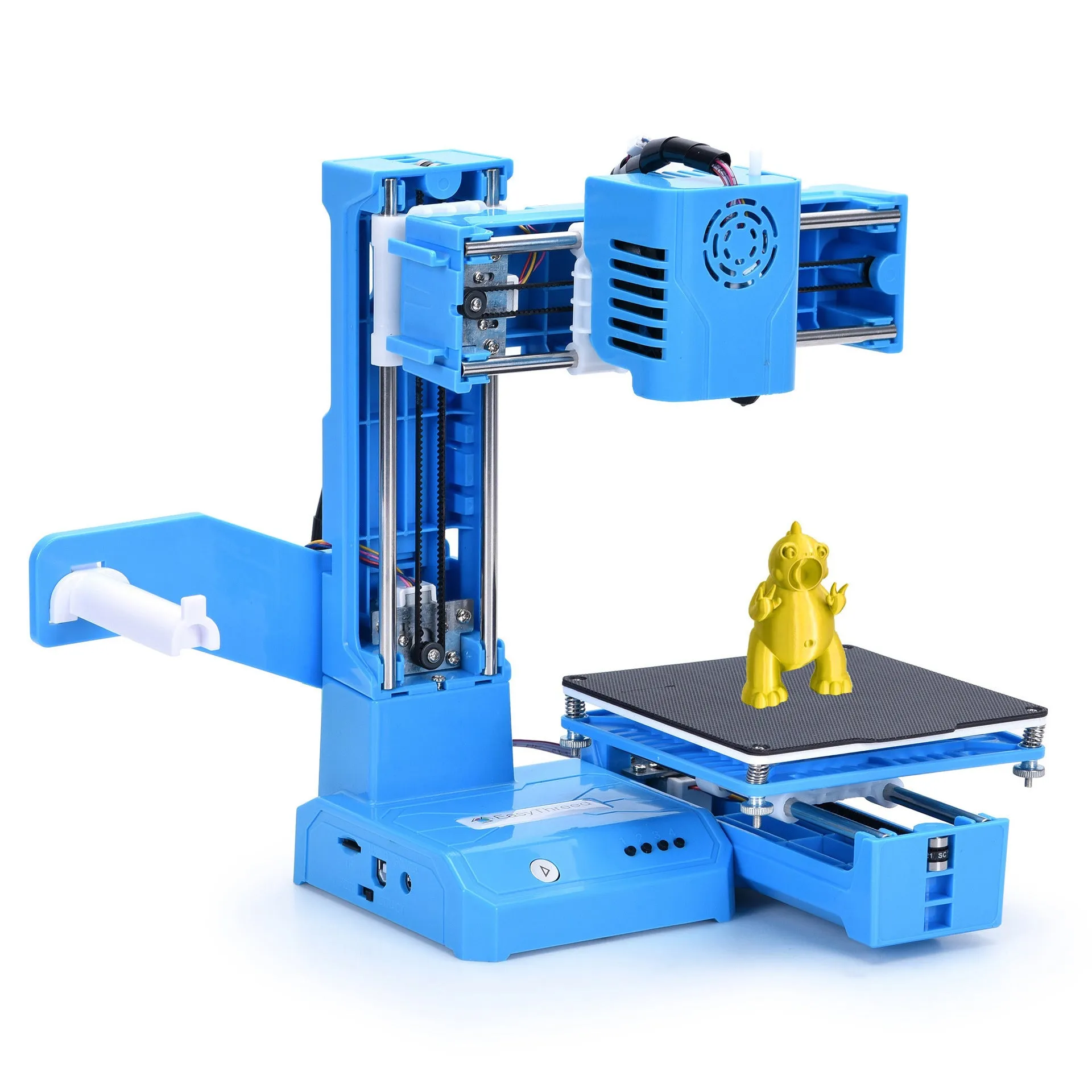
Built around FDM technology, this printer focuses on practical functionality for beginners and educational environments. The construction prioritizes compatibility with PLA filament, one of the most commonly used materials in entry-level 3D printing.
Material and Build
The printer is designed exclusively for PLA (polylactic acid) filament, a biodegradable thermoplastic derived from renewable resources like corn starch. This material choice makes the printer suitable for educational settings and hobbyists seeking an environmentally conscious option. The FDM molding method builds objects layer by layer through heated extrusion, with the source text confirming 0.4mm as the standard layer thickness. This resolution balances detail quality with reasonable print times for small projects.
Size and Practical Fit
With a 100x100mm print area, this compact printer creates objects roughly the size of a large smartphone or small figurines. The dimensions make it suitable for desktop use in classrooms, home offices, or makerspaces with limited surface area. The machine's physical dimensions beyond the print volume aren't specified, but the 100x100mm build platform indicates a footprint appropriate for personal workspaces where larger industrial printers wouldn't fit.
Uses and Placement
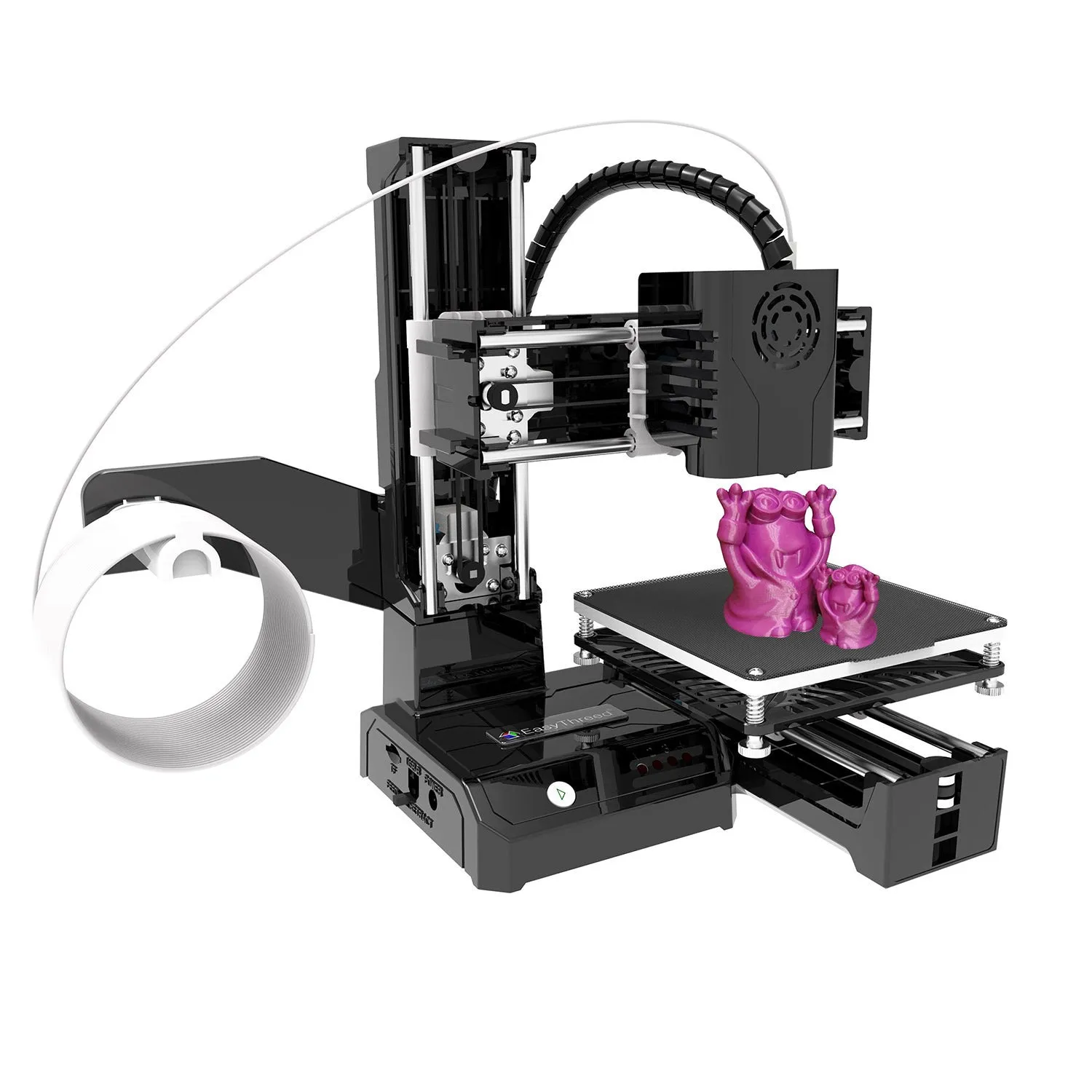
The printer's specifications support various practical applications, from educational demonstrations to personal prototyping projects. Its international power compatibility makes it adaptable to different geographical locations and educational institutions.
Event or Professional Use
For educational institutions, workshops, or demonstration events, this printer's simple PLA compatibility and multiple power standards allow quick setup in different classroom environments. The 40mm/s nozzle flow rate provides consistent extrusion for live demonstrations, while the standardised 0.4mm layer thickness produces recognizable results within reasonable timeframes. Teachers can demonstrate basic 3D printing principles without complex material handling or specialised power adaptations.
Everyday Home Use
Hobbyists and home users benefit from the printer's straightforward operation with PLA filament, avoiding the ventilation concerns associated with some other plastics. The compact size fits on desks or small work tables, making it suitable for apartments or homes with limited dedicated workshop space. Users can create custom brackets, small decorative items, or prototype components within the 100x100mm dimensional constraints, with the multiple power standards allowing purchase from international suppliers without compatibility concerns.
Benefits and Buying Value

The printer's value comes from its focused functionality within defined parameters, avoiding unnecessary complexity while delivering on its core promises of accessibility and international compatibility.
Reuse and Low Maintenance
PLA filament's properties contribute to relatively straightforward maintenance, as it doesn't require heated build plates or specialised ventilation in most applications. The printer's international power compatibility means it can be relocated between countries or institutions without requiring voltage converters or replacement power supplies, assuming the appropriate plug configuration is selected. The 40mm/s flow rate represents a moderate speed that balances print quality with wear on mechanical components.
Why Choose This Product
This printer distinguishes itself through its explicit accommodation of multiple global power standards—a practical consideration for educational institutions purchasing internationally or users relocating between countries. The focused compatibility with PLA filament simplifies material selection for beginners, while the 100x100mm build volume provides enough space for meaningful projects without overwhelming complexity. For users seeking a compact 3D printer with straightforward operation and international power flexibility, this model offers specific advantages over more generic alternatives.