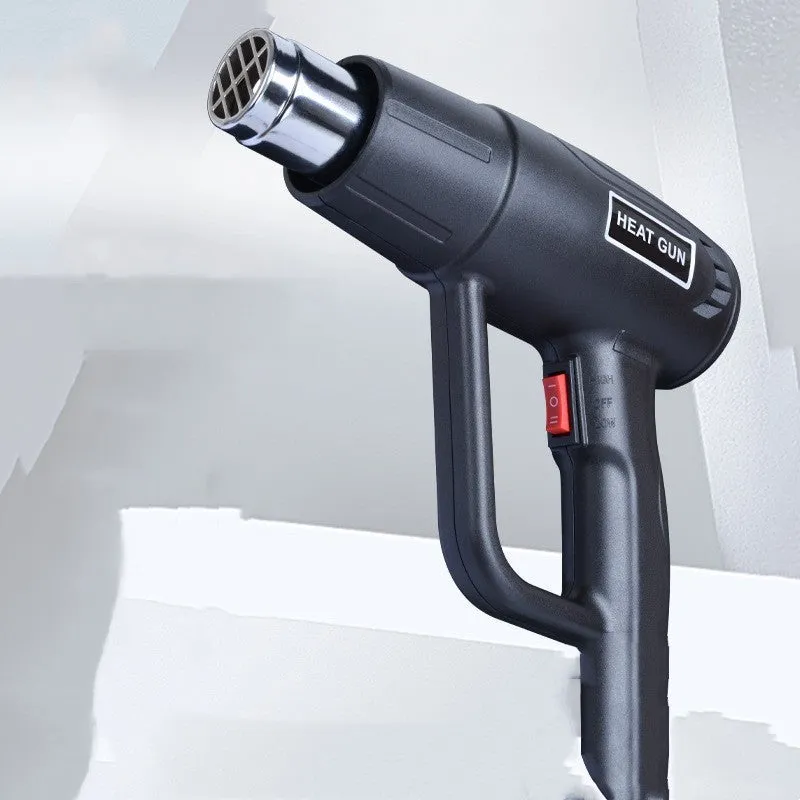
Industrial 2000W Hot Air Tool for film baking and heat shrink tubing applications with 220V US plug, two temperature gear settings, grid air outlet design, and anti-slip thermal insulation casing


Industrial 2000W Hot Air Tool for film baking and heat shrink tubing applications with 220V US plug, two temperature gear settings, grid air outlet design, and anti-slip thermal insulation casing
2000W Industrial Hot Air Tool with Two Temperature Gears for Film Baking and Heat Shrink Tubing
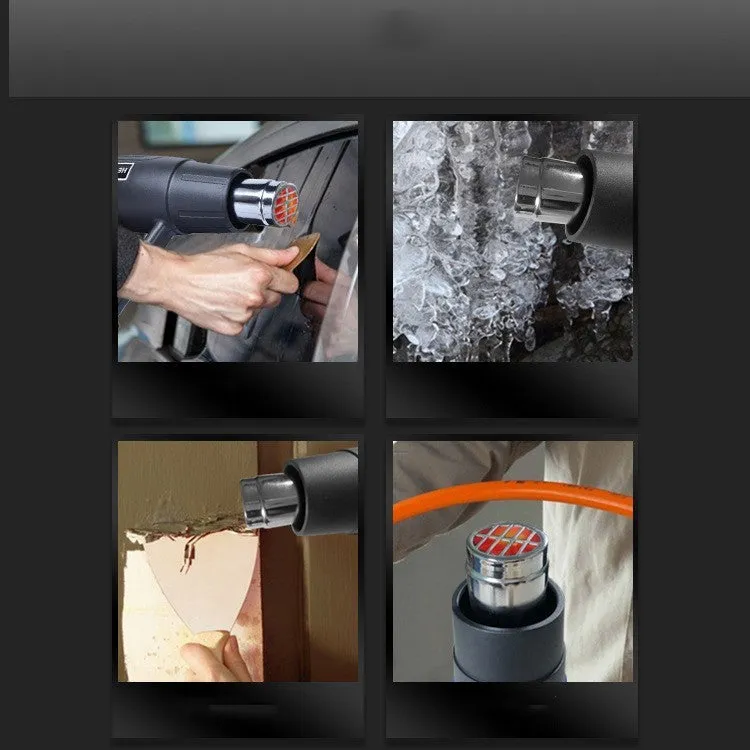
This industrial 2000W hot air tool is designed for professional and workshop applications requiring focused, adjustable heat. Operating on AC power with a 220V US plug, it delivers powerful airflow specifically suited for tasks like baking film and applying heat to shrink tubing. The tool's core function centres on its high-power output and dual temperature settings, giving users control over heat intensity for different materials. Its construction prioritises consistent performance with features like a pure copper motor and overload protection, while the physical design includes an anti-slip insulated casing for safer handling during extended use. This tool is a practical choice for users needing reliable, adjustable heat in electronics repair, crafting, or light industrial settings.
Features and Construction
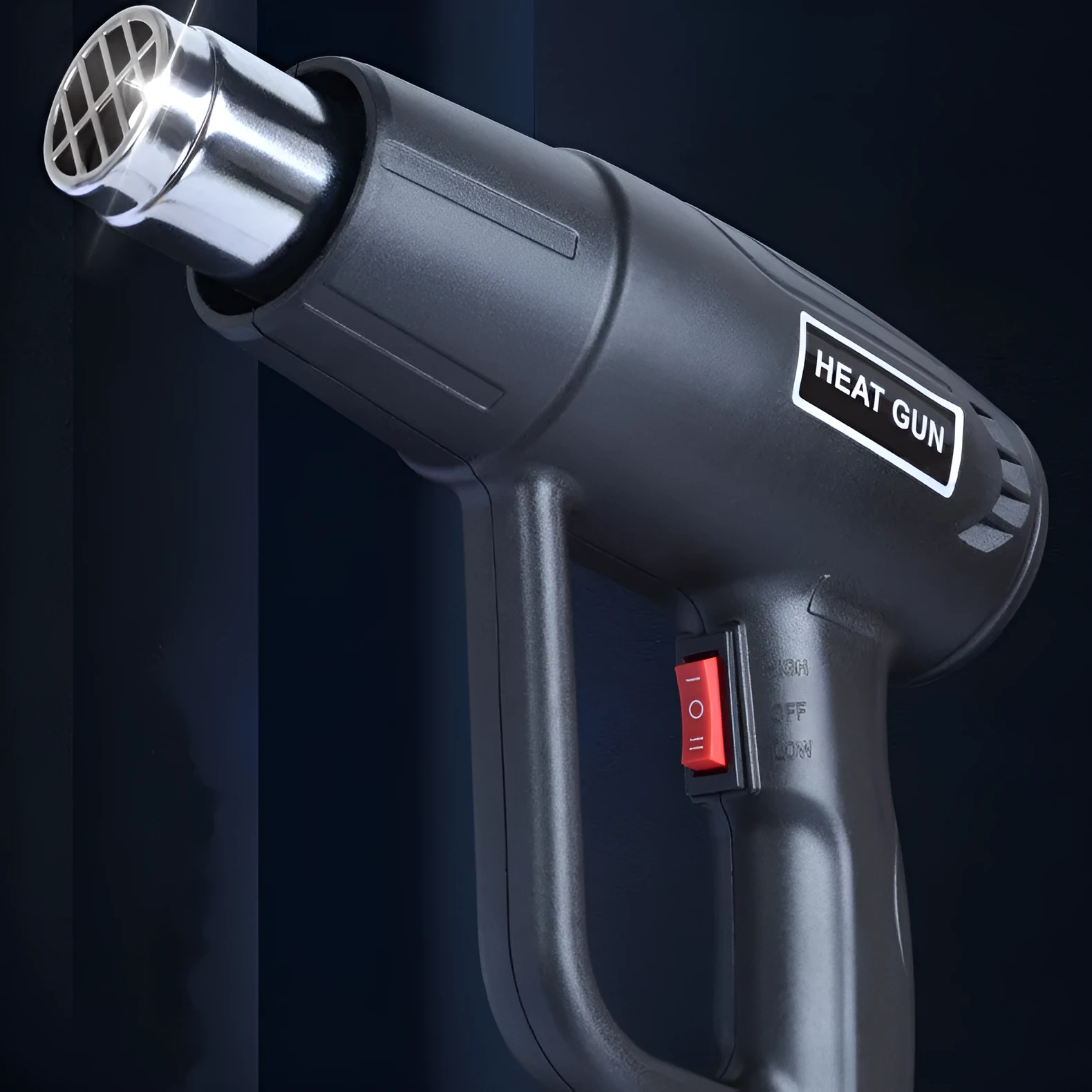
The hot air tool's build incorporates several design choices aimed at performance and user safety. The specifications point to a device built for regular use in environments where controlled heat application is necessary. Below, we break down the key material and build elements, followed by how its power and size translate to practical use.
Material and Build
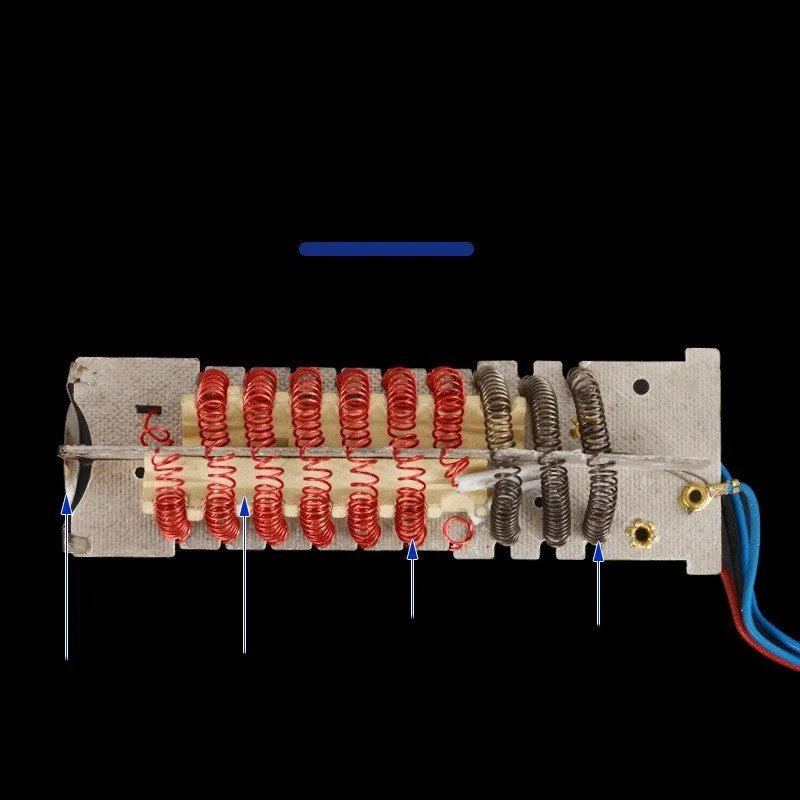
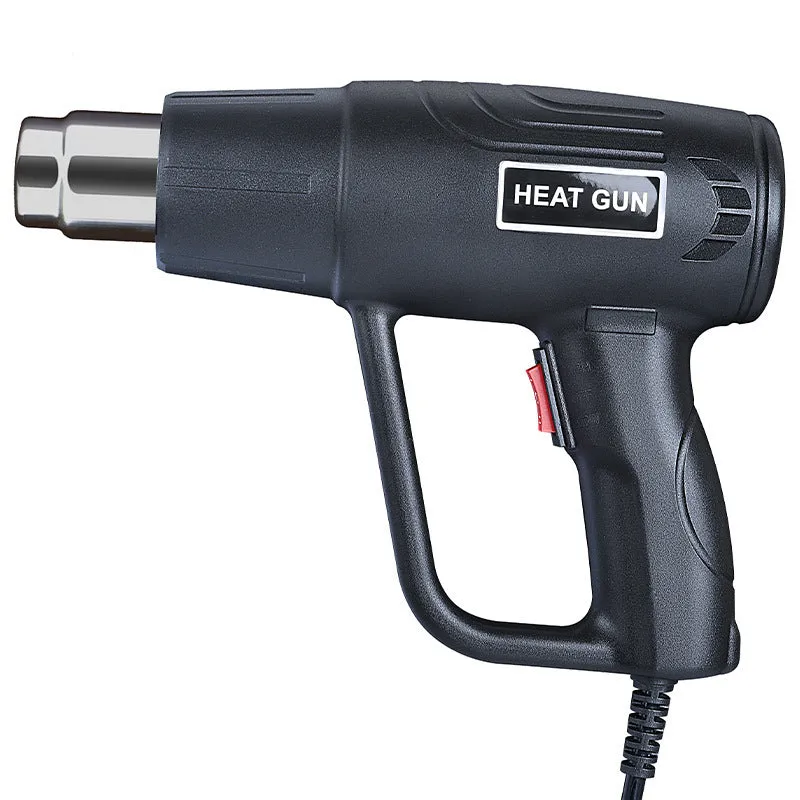
The tool's external casing is made from a thermal insulation material, described as an anti-slip shell. This provides a more secure grip during operation and offers a barrier against heat transfer from the internal components. Internally, it uses a high-power pure copper motor, which the source indicates contributes to uniform operation temperatures and supports longer service life. The heating element consists of dual heating wires, a design that facilitates a fast temperature rise. This double-wire setup is paired with an overload protection system, a safety feature that helps prevent damage if the tool's electrical limits are exceeded during use.
Size and Practical Fit
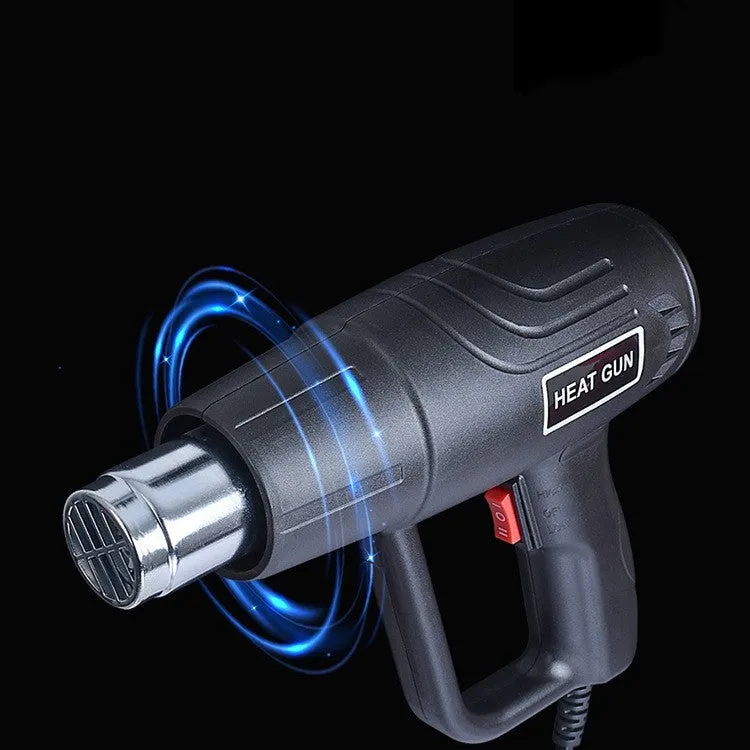
While specific dimensions are not provided, the tool's 2000W power rating and industrial designation suggest it is a handheld unit of a size typical for professional-grade heat guns. Its design includes a grid-pattern air outlet at the front. This grid helps diffuse the powerful airflow from the motor, promoting a more even distribution of heat across the target surface compared to a single concentrated outlet. This is particularly beneficial for applications like film baking, where uniform heat is critical. The tool requires a standard AC power socket (220V US plug), meaning it is not cordless and is best used within reach of a power source in a workshop, garage, or bench area.
Uses and Placement
This tool is specified for particular thermal applications, making it suitable for both dedicated professional tasks and more demanding DIY projects. Its adjustable nature allows it to cater to different heat requirements. We explore its primary professional uses and how it fits into everyday home workshop scenarios.
Event or Professional Use
In professional or trade settings, the tool's 2000W output and two temperature gears make it applicable for electronics repair, where heat shrink tubing is used to insulate wires and connections. The adjustable heat allows technicians to select a lower setting for delicate components and a higher setting for thicker tubing. Similarly, in certain manufacturing or prototyping environments, the process of 'baking film' – using heat to cure or set a film layer – can utilise this tool's uniform grid airflow to ensure an even cure without hot spots. The industrial power level indicates it is built to handle repetitive tasks common in these settings.
Everyday Home Use
For the serious DIY enthusiast or home crafter with a workshop, this hot air tool can be valuable for projects involving heat shrink tubing for custom electrical work, vehicle wiring, or model making. Its power makes it more effective than lower-wattage consumer models for stubborn tubing or larger areas. Other potential uses include removing old paint or varnish from small items, softening adhesives for disassembly, or shaping thermoplastics. The anti-slip casing and overload protection add a layer of safety for less frequent users. It is important to note its lack of overheating protection, so users must remain attentive during operation.
Benefits and Buying Value
The value of this hot air tool lies in its combination of specific features for its intended tasks. It is not a general-purpose household tool but a specialised device. Here we examine the practical benefits stemming from its design and what it offers compared to more basic alternatives.
Reuse and Low Maintenance
The tool is designed for repeated use. Features like the pure copper motor and overload protection are intended to support longevity and consistent performance over time. The absence of a battery means there is no battery pack to degrade or replace; it draws power directly from the mains. Maintenance is typically low, involving keeping the air inlet and grid outlet free from dust and debris to maintain airflow. The robust construction, including the anti-slip and anti-scrape shell, suggests it can withstand the occasional knock in a workshop environment without immediate failure.
Why Choose This Product
Choosing this 2000W hot air tool is justified if your primary needs involve film baking, heat shrink tubing application, or other tasks requiring adjustable, concentrated heat up to industrial power levels. Its key differentiators are the 2000W power, the two-gear temperature control for flexibility, and the grid air outlet for even heat distribution. The overload protection and insulated casing address safety and durability concerns common in such tools. If your work frequently involves these thermal processes, this tool provides a dedicated, capable solution that may outperform lower-powered or single-setting models in terms of speed, consistency, and task suitability.