

Small kitchen tool mould for making steamed buns, dumplings and shaomai with a black plastic construction, measuring 8.5cm in diameter, designed to create uniform shapes and decorative patterns on homemade dim sum and baozi.


Small kitchen tool mould for making steamed buns, dumplings and shaomai with a black plastic construction, measuring 8.5cm in diameter, designed to create uniform shapes and decorative patterns on homemade dim sum and baozi.
8.5cm Black Steamed Bun Mould for Making Uniform Dumplings and Shaomai at Home
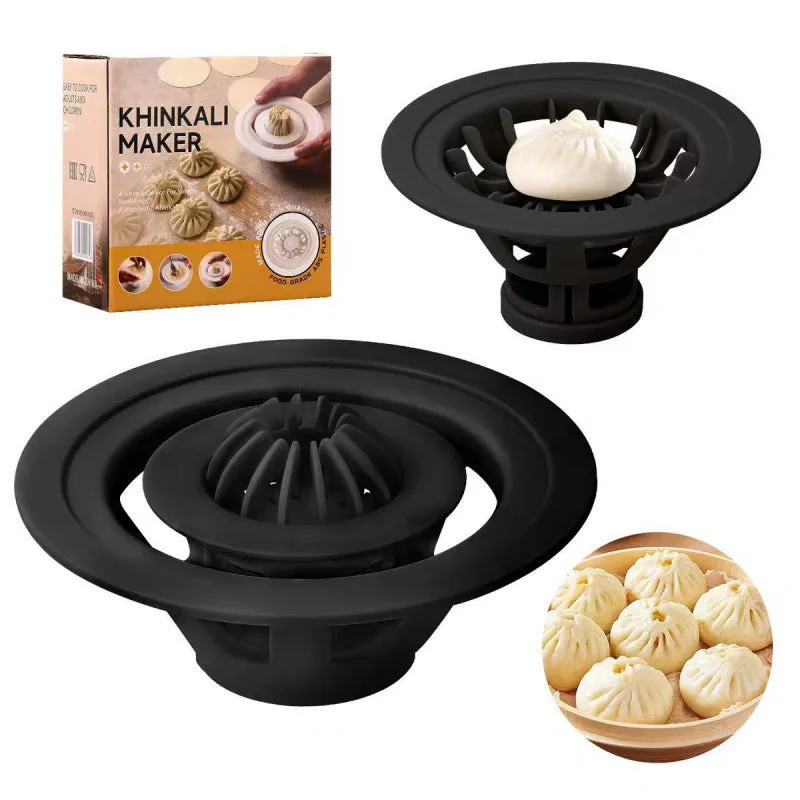
Creating uniformly shaped steamed buns, dumplings and shaomai can be challenging without the right kitchen tools. This small plastic mould is designed to assist home cooks by providing a consistent shape and size for homemade dim sum, measuring 8.5cm in diameter. It operates on a simple two-part press mechanism, where a rolled dough wrapper is placed into the mould, filled, and then pressed to conform to the inner walls. This process helps achieve a regular, professional appearance for baozi, with the potential for decorative patterns if the mould includes such detailing. The tool is constructed from food-safe plastic, making it suitable for direct contact with dough and fillings, and its compact size is practical for kitchen storage and handling individual portions.
Features and Construction

This kitchen gadget is built around a straightforward mechanical principle to shape dough. It focuses on achieving consistency in homemade dim sum production, which is its primary practical benefit for users who want reliable results without extensive culinary training.
Material and Build
The mould is made from food-safe plastic, a material chosen for its durability in a kitchen environment and its suitability for tasks involving direct food contact. This plastic construction is resistant to moisture from dough and is designed to withstand the pressure applied during the shaping process. The material allows the tool to be lightweight and easy to handle, while also being simple to clean after use, typically requiring just a wipe or rinse. No additional performance claims regarding longevity or specific plastic grade are provided beyond its stated suitability for food use.
Size and Practical Fit
With a specified diameter of 8.5cm, the mould produces individual steamed buns or dumplings of a consistent, palm-sized portion. This measurement determines the final size of each dim sum item, making it suitable for creating servings for family meals or small gatherings. The compact dimensions of the tool itself mean it does not occupy excessive space in a kitchen drawer or cupboard when not in use. Its size is practical for handling with one hand during the pressing and demoulding steps described in the usage method.
Uses and Placement
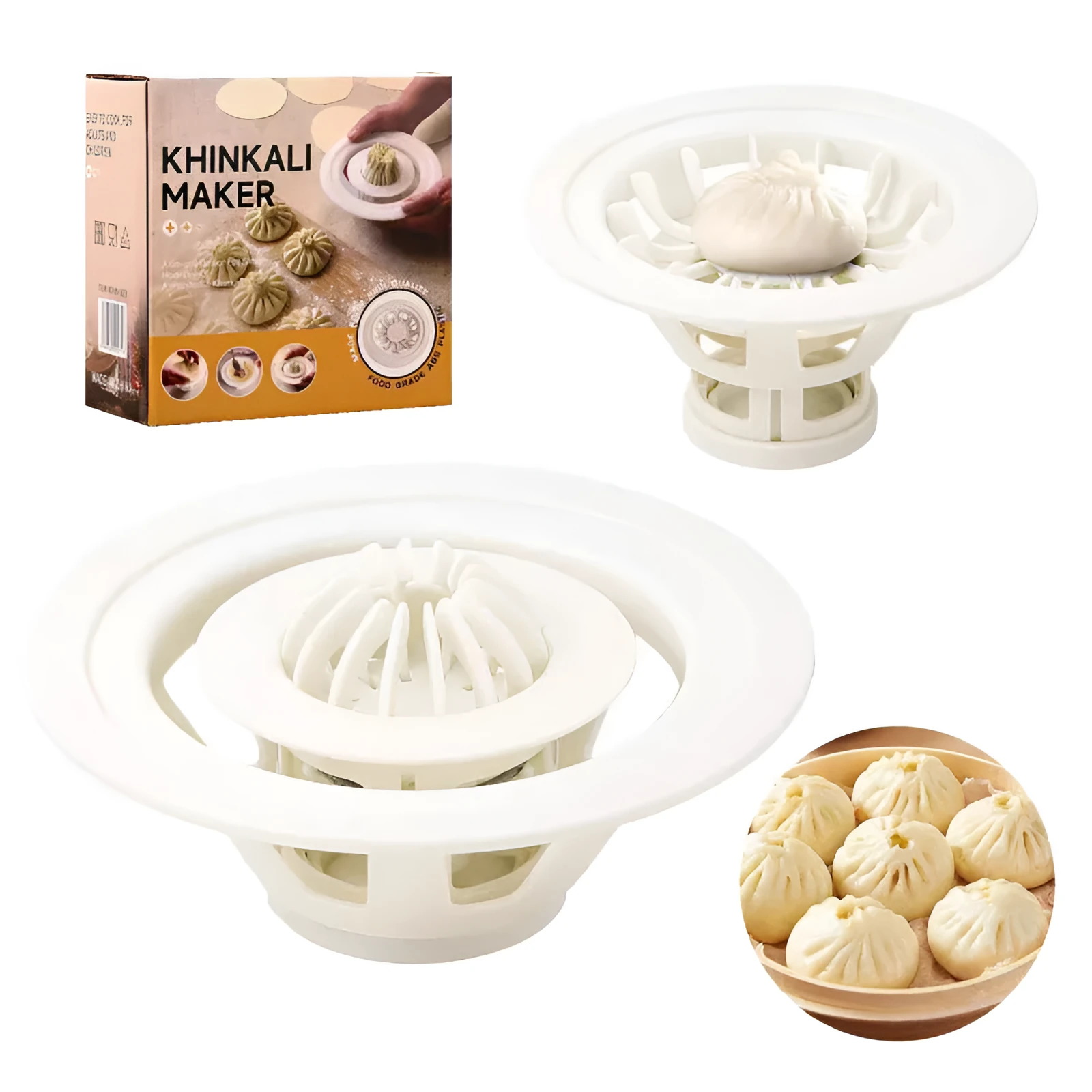
The tool's application is centred on shaping specific types of Asian dim sum. It is not a general-purpose kitchen gadget but is intended for the dedicated task of forming baozi, dumplings and shaomai, which informs where and how it would typically be used in a domestic setting.
Event or Professional Use
While primarily a home kitchen tool, its function of creating uniform shapes could be beneficial for small-scale food preparation events, such as family gatherings or cultural celebrations where homemade dim sum is featured. The consistency it provides helps present a more polished result, which may be valued in these settings. For individuals selling homemade baozi or dim sum on a very small scale, the tool offers a way to standardise product appearance. However, its plastic construction and single-size output may limit its suitability for high-volume commercial kitchens.
Everyday Home Use
In a standard home kitchen, this mould simplifies a task that often requires practised hand-shaping skills. It allows cooks of varying experience levels to produce steamed buns and dumplings that have a neat, rounded form. The tool is used during the assembly stage of dim sum preparation, after the dough has been kneaded and divided, and before the steaming or cooking process begins. Its use fits into a typical cooking workflow where ingredients are prepared, assembled, and then cooked, adding a step that ensures shape consistency without slowing down overall preparation significantly.
Benefits and Buying Value
The value of this product lies in its specific function and the practical problems it addresses for someone making dim sum at home. It does not claim to revolutionise cooking but offers a focused solution for a particular culinary challenge.
Reuse and Low Maintenance
The plastic construction implies the tool is intended for multiple uses over time, as it is not described as disposable. The care instructions are minimal: cleaning before use and optionally applying oil to aid demoulding. This low-maintenance approach means the tool requires no specialist upkeep, aligning with its role as a simple kitchen accessory. Its reusability contributes to its value, as it can be employed repeatedly for future dim sum-making sessions without needing replacement after a single use, provided it is cleaned and stored appropriately.
Why Choose This Product
This tool is chosen for its specific purpose: achieving uniform shape and optional patterned decoration on homemade steamed buns, dumplings and shaomai. It is a practical choice for home cooks who prioritise consistency in appearance and who may find freehand shaping difficult or time-consuming. The clear 8.5cm diameter specification allows buyers to understand the exact output size, and the black colour and plastic material are practical considerations for visibility against light-coloured dough and for easy cleaning. Its value is functional rather than aesthetic, centred on the measurable outcome it delivers in the dim sum preparation process.