

Silicon Labs EFR32MG21 Zigbee 3.0 USB Dongle for Home Assistant - Pre-flashed with EZSP v8 Firmware, 20dBm Output Gain, Compatible with ZHA and Zigbee2MQTT, Includes CH340E USB Interface and Plastic Shell


Silicon Labs EFR32MG21 Zigbee 3.0 USB Dongle for Home Assistant - Pre-flashed with EZSP v8 Firmware, 20dBm Output Gain, Compatible with ZHA and Zigbee2MQTT, Includes CH340E USB Interface and Plastic Shell
Silicon Labs EFR32MG21 Zigbee 3.0 USB Dongle for Home Assistant and Open-Source Hubs
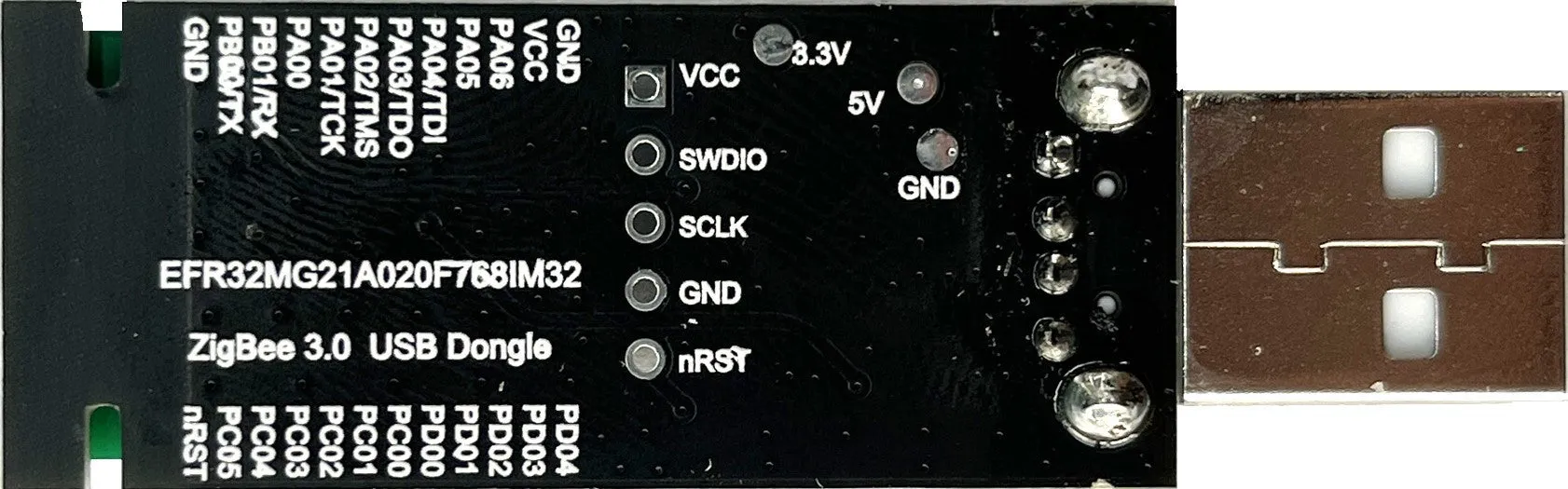
This USB dongle provides a direct Zigbee 3.0 radio interface for smart home enthusiasts and developers looking to build or expand a local, vendor-independent smart home network. Based on the capable Silicon Labs EFR32MG21 system-on-chip and pre-configured with EmberZNet Serial Protocol version 8 (EZSP v8) firmware, it serves as a versatile hardware bridge. It is confirmed to work with popular open-source platforms like Home Assistant’s built-in ZHA (Zigbee Home Automation) integration and the Zigbee2MQTT project, offering a flexible alternative to proprietary hubs. Its standard USB form factor and plastic housing make it a simple plug-and-play solution for adding Zigbee coordinator functionality to a PC, Raspberry Pi, or similar device.
Features and Construction

The dongle's functionality stems from its specific hardware design and pre-loaded software, providing a ready-made Zigbee coordinator solution without requiring complex initial flashing.
Material and Build
The device's electronics are housed within a standard plastic shell, providing physical protection and a familiar USB dongle form factor. The core components are the Silicon Labs EFR32MG21, a dedicated wireless microcontroller supporting Zigbee protocols, and the CH340E chip, which handles the USB-to-serial communication between the dongle and the host computer. This combination creates a stable hardware foundation for the Zigbee network coordinator role.
Size and Practical Fit
As a standard USB dongle, it is designed for minimal desk or port space usage. The plastic shell encases the PCB which hosts the EFR32MG21 SoC, CH340E USB interface, and a printed circuit board (PCB) antenna. This integrated antenna design, coupled with the +20dBm output gain, is intended to provide sufficient wireless range for typical home environments without requiring an external antenna. The device communicates with the host software at a fixed baud rate of 115200.
Uses and Placement
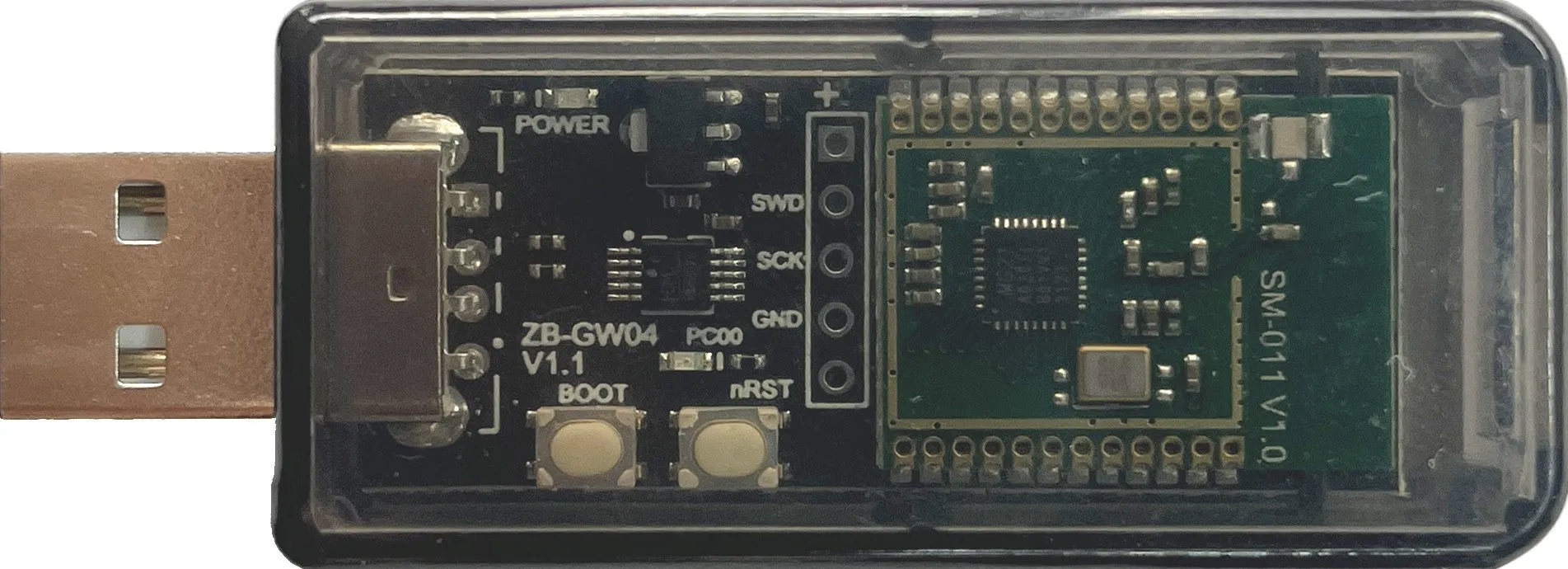
This dongle is intended to act as the central coordinator for a Zigbee network, bridging communication between your smart home software and Zigbee end devices like sensors, bulbs, and switches.
Event or Professional Use
For developers, makers, or professionals setting up test environments or custom installations, the pre-flashed EZSP v8 firmware and support for open-source projects like Zigbee2MQTT provide a valuable development platform. The ability to perform over-the-air (OTA) updates via UART allows for firmware testing and updates on the coordinator itself. Its adherence to Zigbee standards means it has the potential to work with other gateway software, offering flexibility for specialised or future applications.
Everyday Home Use
For everyday smart home users, this dongle integrates seamlessly with Home Assistant when using the ZHA integration. It allows you to replace or avoid proprietary hubs from various brands, consolidating control of Zigbee devices into a single, local system. The plug-and-play nature, assuming compatible software is set up, simplifies creating a robust and private smart home network without relying on cloud services from device manufacturers.
Benefits and Buying Value
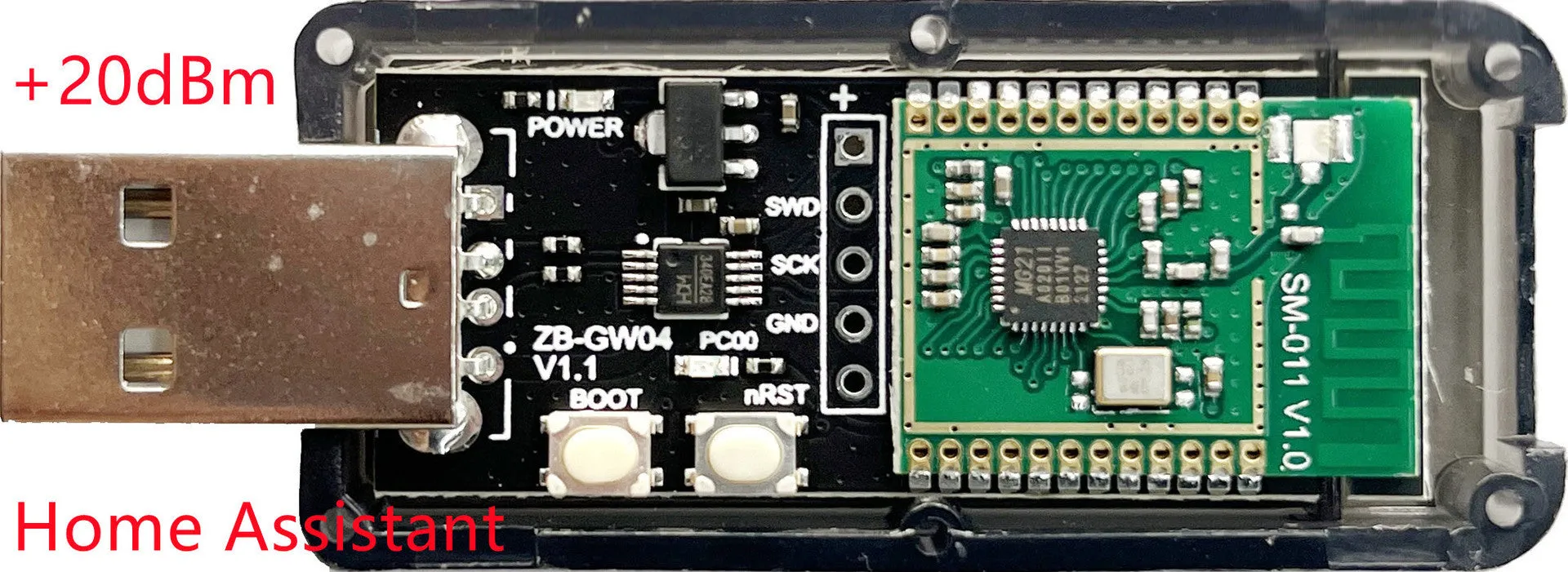
The primary value of this dongle lies in its specificity and confirmed compatibility, offering a straightforward path to Zigbee network ownership.
Reuse and Low Maintenance
The device is designed for long-term use as a network coordinator. The plastic shell protects the internal components, and the support for OTA updates via UART means the firmware can be updated if needed, potentially extending its useful life or adding new features. Its compatibility with major open-source platforms suggests ongoing community support.
Why Choose This Product
This dongle is a suitable choice for users who have confirmed they will be using ZHA in Home Assistant or Zigbee2MQTT, as these are its validated software environments. The +20dBm output gain is a concrete specification that can contribute to a stable network with good range. Choosing a pre-flashed dongle eliminates the technical hurdle of sourcing and installing the correct firmware, making the initial setup more accessible for a wider range of users.