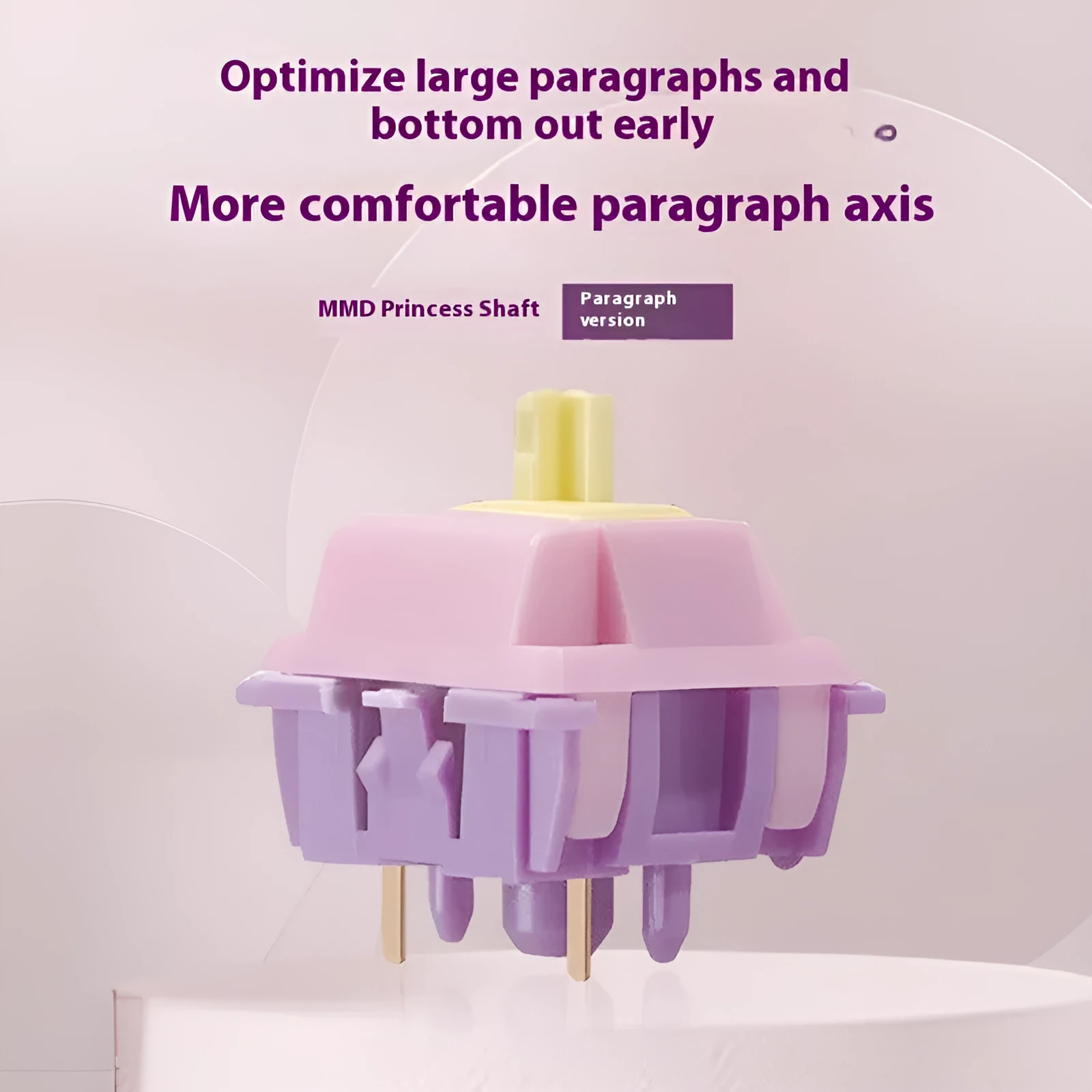
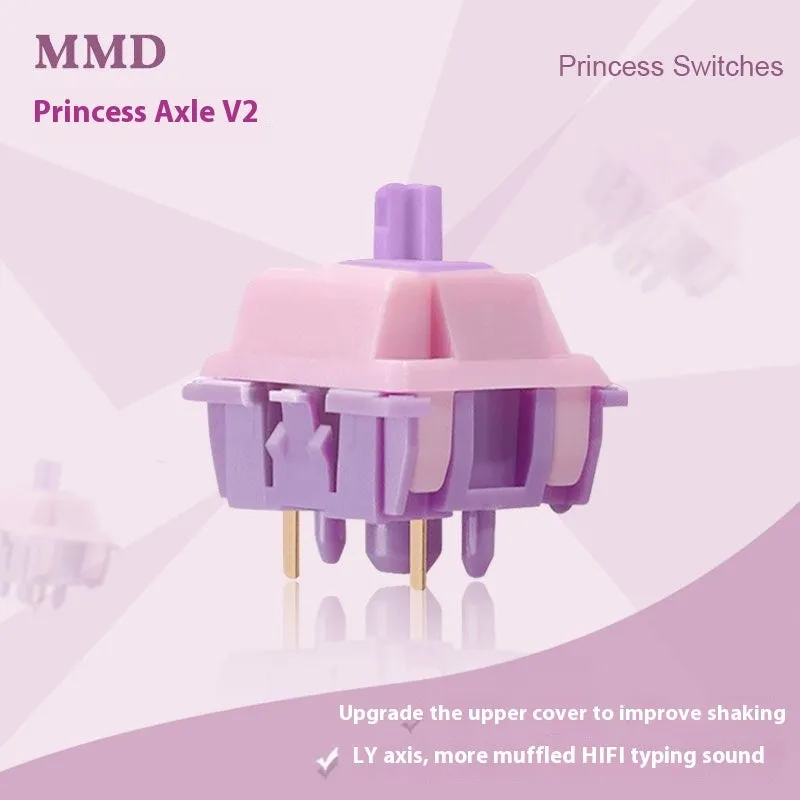
Mechanical keyboard switch MMD Princess linear axis switch body customisable DIY accessories with 20.4mm extended spring and 3.6mm total travel distance for keyboard customisation projects and switch modification


Mechanical keyboard switch MMD Princess linear axis switch body customisable DIY accessories with 20.4mm extended spring and 3.6mm total travel distance for keyboard customisation projects and switch modification
MMD Princess Linear Mechanical Keyboard Switch Body with 20.4mm Extended Spring for Custom Builds
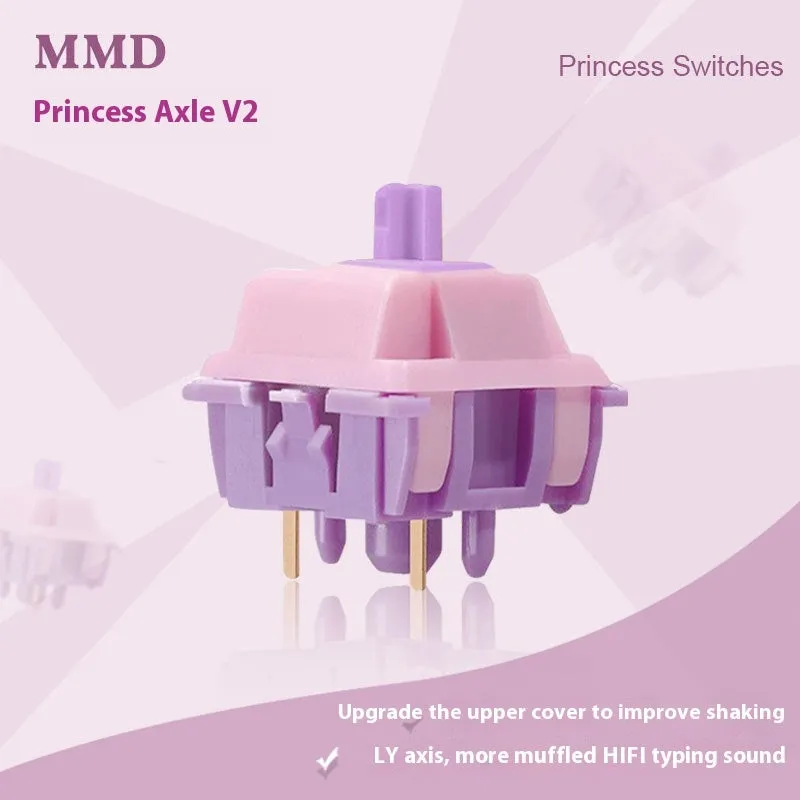
The MMD Princess linear mechanical keyboard switch body offers keyboard enthusiasts and custom builders a versatile component for creating personalised typing experiences. As a core element in mechanical keyboard construction, this switch provides the foundation for custom builds or modifications to existing boards. Its linear actuation profile delivers consistent resistance without tactile feedback, making it suitable for both typing and gaming applications where smooth keypresses are preferred. The switch's technical specifications include a 3.6mm total travel distance and 2.0mm trigger stroke, providing precise control over actuation points. With twelve distinct force configurations available, users can select the exact resistance that matches their typing style and pressure preferences.
Technical Specifications and Performance
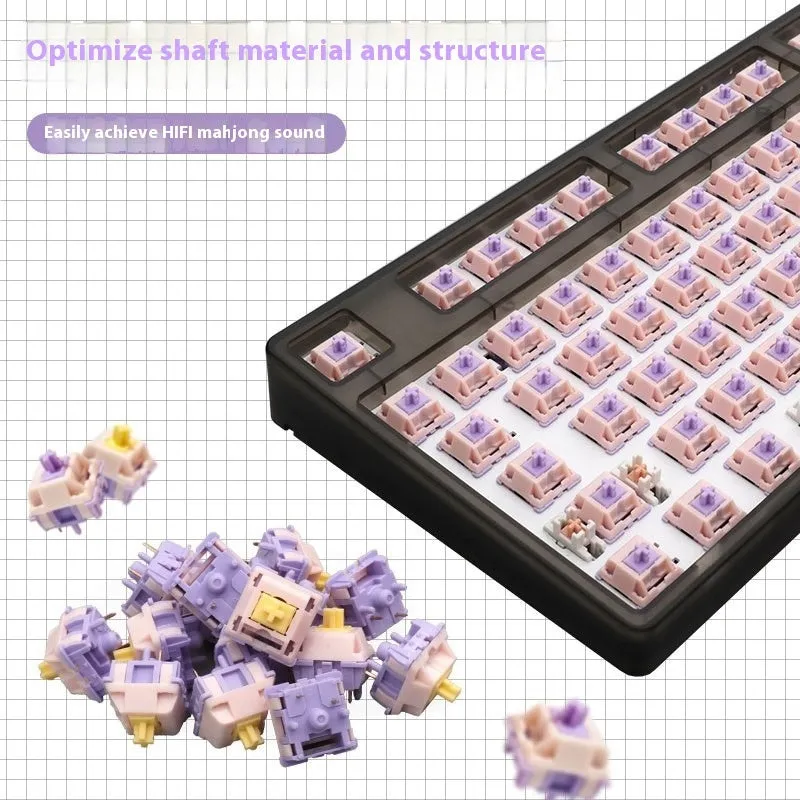
The MMD Princess switch is engineered with specific mechanical characteristics that determine its performance in keyboard applications. These specifications provide measurable data that informs how the switch will feel during use and what modifications are possible.
Actuation Force and Travel
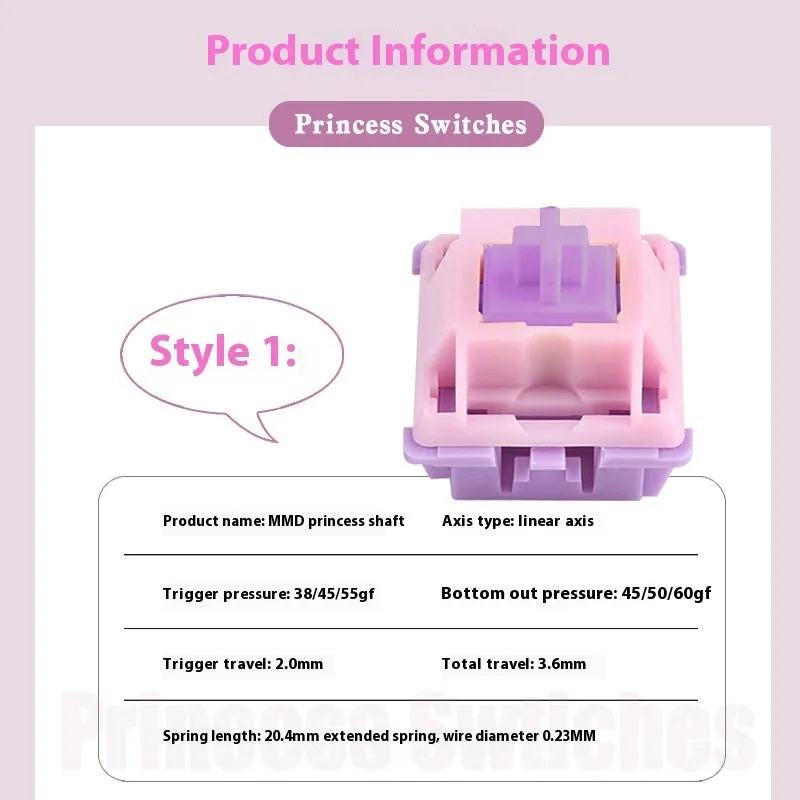
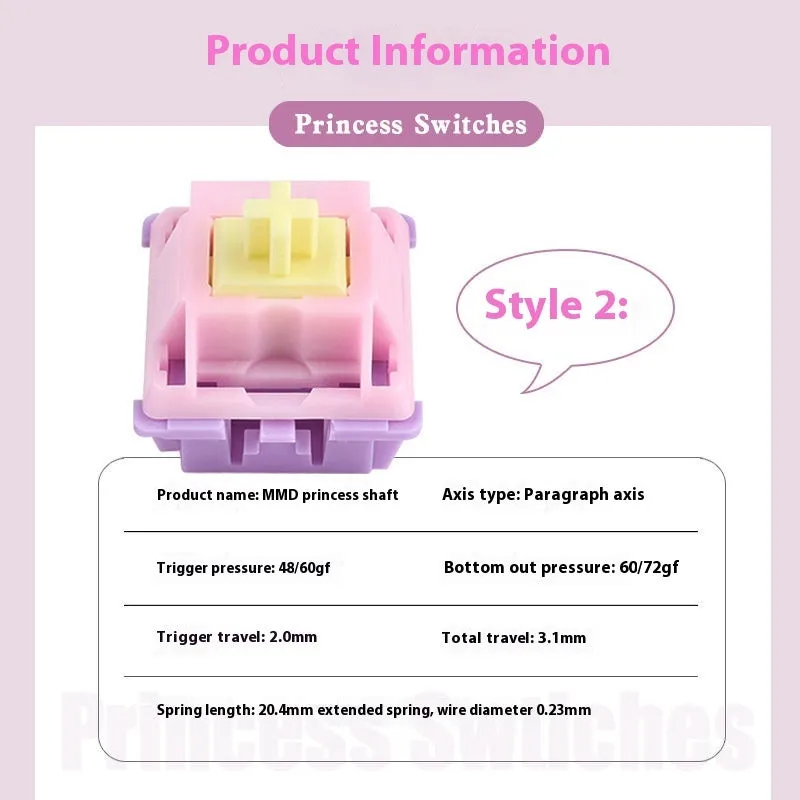
The switch offers trigger pressure options ranging from 38gf to 60gf, with corresponding bottom pressures from 45gf to 60gf. This force progression determines how much pressure is required to register a keystroke and how the resistance changes as the key is pressed fully. The 2.0mm trigger stroke specifies the distance the key must travel before electrical contact is made, while the 3.6mm total travel represents the complete downward movement available. These measurements allow users to understand exactly how the switch will perform during rapid typing sequences or gaming actions where quick response times are essential.
Spring Design and Characteristics
The 20.4mm extended spring design provides a longer coil than standard keyboard switch springs, offering more customisation possibilities for force curves. With a wire diameter of 0.23mm, the spring creates specific resistance characteristics throughout the keypress. This extended length allows for different force progressions compared to shorter springs, potentially creating smoother bottom-out experiences or different return characteristics. The spring specification is particularly important for enthusiasts who modify switches with different lubricants or who combine components from various switch models to create hybrid configurations with specific feel requirements.
Configuration Options
Twelve distinct configuration options provide substantial choice in switch characteristics. The Artificial Run variants at 28g, 38g, 45g, 48g, 53g, and 60g offer one set of force characteristics, while the Factory Run options at the same weights provide an alternative manufacturing approach. These different 'runs' may represent variations in spring treatment, housing materials, or manufacturing tolerances that create subtly different typing experiences. The range from lighter 28g options suitable for minimal force typists to heavier 60g options for those preferring more resistance demonstrates the product's versatility across different user preferences and applications.
Customisation and Building Applications
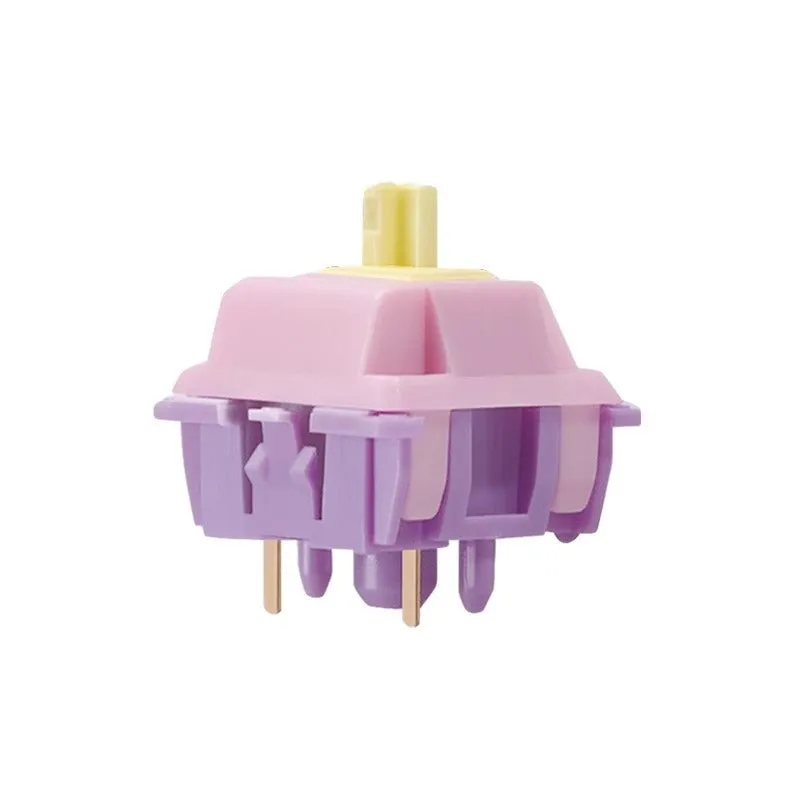
As a component designed for customisation and DIY projects, the MMD Princess switch body serves multiple purposes in mechanical keyboard modification and construction. Its technical specifications enable specific modifications and building approaches that standard complete switches might not support as readily.
Keyboard Customisation Projects
This switch body is ideal for custom keyboard builds where enthusiasts select each component individually to create personalised typing instruments. The linear actuation profile makes it suitable for users who prefer consistent resistance throughout the keystroke without tactile bumps or click mechanisms. The multiple force options allow builders to create keyboards with different resistance characteristics across different key positions, such as lighter springs for frequently pressed keys and heavier options for modifier or spacebar keys. This component approach enables mixing and matching with different keycap sets, stabilisers, and lubrication techniques to achieve specific sound profiles and typing feels.
Switch Modification Work
The individual switch body format makes it particularly suitable for modification work where enthusiasts disassemble switches to change internal components. The 20.4mm extended spring can be swapped with different spring lengths or weights to create custom force curves. The housing can be lubricated with various compounds to reduce friction or change sound characteristics. Since the switch body is supplied separately from other components like stems or contact mechanisms, it provides flexibility for creating hybrid switches that combine elements from different manufacturers or models. This approach is common in the mechanical keyboard community for achieving specific typing experiences that aren't available in commercially produced switches.
Replacement and Repair Uses
For existing keyboard owners, this switch body serves as a replacement part for damaged switches or as an upgrade component for improving typing characteristics. The linear profile provides an alternative to tactile or clicky switches that may have been originally installed. By replacing switch bodies individually, users can modify their keyboard's feel without requiring a complete new board. The multiple force options enable gradual modification approaches where users might replace frequently used keys first to test different resistance levels before committing to a full keyboard modification. This component approach reduces waste by allowing repair of individual switches rather than replacing entire keyboards.
Practical Benefits and Selection Guidance
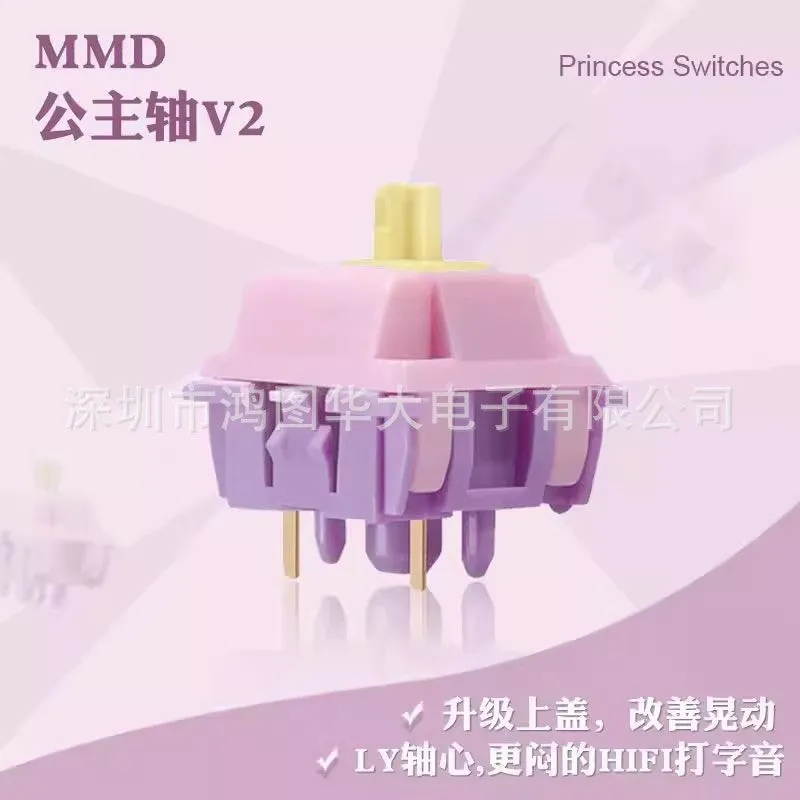
Understanding how the MMD Princess switch body's specifications translate to practical benefits helps users make informed decisions about whether this component suits their projects and requirements. The technical data supports specific advantages in keyboard building and modification scenarios.
Force Customisation Advantages
The twelve force configurations provide exceptional customisation potential compared to switches available only in single force options. Users can select lighter 28g or 38g springs for reduced finger fatigue during extended typing sessions, medium 45g to 53g options for balanced resistance, or heavier 60g springs for more deliberate keypresses with reduced accidental actuations. The availability of both Artificial Run and Factory Run variants at the same weights suggests differences in manufacturing approach or material treatment that may affect longevity, sound, or feel consistency. This range allows users to fine-tune their keyboard's response to match their specific pressure preferences, typing speed, and application requirements whether for office work, gaming, or programming.
Component-Level Building Approach
Supplying the switch body separately from other keyboard components enables a building approach where each element is selected independently. This allows enthusiasts to pair the housing with their preferred stem type, spring weight, and lubrication approach without being constrained by pre-assembled switch combinations. The extended 20.4mm spring design offers more modification possibilities than standard-length springs, potentially supporting smoother force curves or different bottom-out characteristics. This component focus aligns with mechanical keyboard community practices where enthusiasts often mix elements from different manufacturers to create personalised switches that aren't commercially available, supporting innovation and customisation beyond off-the-shelf products.
Technical Transparency and Specification
The precise specification of trigger pressure, bottom pressure, travel distances, and spring dimensions provides measurable data that informs modification decisions. Unlike switches described only with subjective terms like 'light' or 'heavy', the exact gram-force measurements allow direct comparison with other switch options. The 2.0mm trigger stroke and 3.6mm total travel provide objective data about actuation point and key movement range. This technical transparency is particularly valuable for users creating keyboards for specific applications like gaming where consistent response times are important, or for accessibility requirements where specific actuation forces may be necessary. The detailed specifications support informed decision-making rather than reliance on subjective descriptions of feel or performance.