

Imported alloy micro-engraving bit made of tungsten carbide (tungsten steel) with high hardness, wear resistance, and strength for circuit board, electronics, SMT, die, and hardware processing applications, available in diameters from 0.10mm to 2.00mm


Imported alloy micro-engraving bit made of tungsten carbide (tungsten steel) with high hardness, wear resistance, and strength for circuit board, electronics, SMT, die, and hardware processing applications, available in diameters from 0.10mm to 2.00mm
Imported Tungsten Carbide Micro-Engraving Bits for Precision Electronics and Hardware Work

These imported micro-engraving bits are crafted from cemented carbide, commonly known as tungsten steel, a material selected for its exceptional performance in precision machining. Designed for professionals and workshops involved in detailed fabrication, they address the need for a tool that can maintain a fine edge and resist wear when working on hard, delicate materials. Their application spans several technical industries, providing a reliable solution for creating precise marks, cuts, and engravings where standard tools might fail. The availability of a complete specification range, from ultra-fine 0.10mm diameters up to 2.00mm, means there is a suitable bit for a vast array of micro-machining tasks, from modifying circuit board traces to detailed die work.
Features and Construction
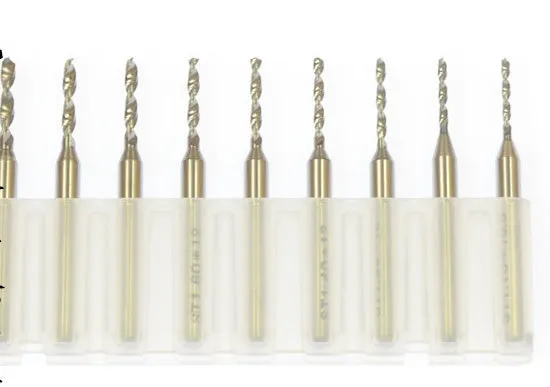
The core value of this product lies in its material construction and the practical range of sizes offered. This section details the build quality and the physical specifications that define its use cases, ensuring you can match the tool to your specific project requirements.
Material and Build
The bit is manufactured from imported cemented carbide, a composite material often referred to as tungsten steel. This composition is noted in the source for delivering high hardness, which is crucial for machining other alloys without rapid dulling. It also provides high wear resistance, contributing to a longer usable life during repetitive engraving tasks, and high strength with resistance to bending and fracture. These material properties are fundamental, as they directly support the bit's ability to perform consistently in demanding applications like SMT (Surface-Mount Technology) assembly and precision die making without compromising on detail.
Size and Practical Fit
A key practical advantage is the extensive range of diameter options. With sizes incrementally available from 0.10mm to 2.00mm, users can select a bit that precisely matches the required detail level of their work. For instance, a 0.10mm or 0.15mm bit is suited for extremely fine circuit board work, while diameters of 1.00mm and above are more applicable for broader engraving in hardware components. This range allows for great flexibility within its stated processing applications, including electronics, communications, and general hardware processing, without needing to source tools from multiple suppliers.
Uses and Placement
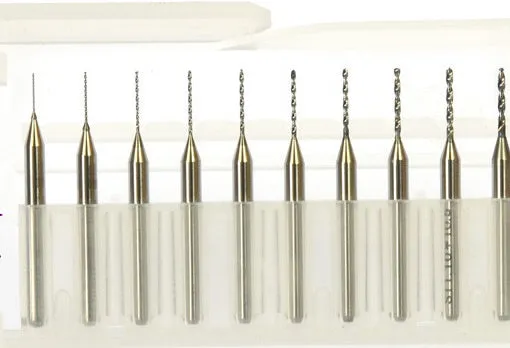
Understanding the specific industries and tasks this tool is designed for helps in assessing its relevance to your workshop or production line. Its use is grounded in technical, precision-based environments.
Event or Professional Use
In professional and industrial settings, this micro-engraving bit is targeted at defined technical processes. The source text explicitly mentions its applicability to circuit board manufacturing, electronics repair and assembly, SMT industry processes, die and mould engraving, and general hardware processing. In these contexts, the bit serves as a consumable tool for creating precise markings, machining small features, or modifying components. Its wear resistance is particularly valuable in production environments where tool changeover time affects efficiency.
Everyday Home Use
While its primary design is for industrial applications, the micro-engraving bit could also be utilised by advanced hobbyists or makers working on detailed projects. For example, a modeller engraving fine details on metal components or a technician repairing small electronic devices at home might find the smaller diameter bits (e.g., 0.30mm to 0.80mm) useful. However, users should note that effective operation typically requires a compatible precision engraving tool or rotary tool with excellent speed control.
Benefits and Buying Value
The decision to choose this specific micro-engraving bit is supported by several clear, practical benefits derived directly from its stated specifications. This section outlines the tangible value it offers based on the available data.
Reuse and Low Maintenance
The high wear resistance of the tungsten carbide material suggests the potential for extended use before the bit requires replacement compared to less durable materials. This translates to a lower cost per operation over time in a professional setting. Furthermore, the bit's resistance to bending and fracture reduces the likelihood of sudden tool failure mid-task, which can damage workpieces. Proper storage and handling, as with any precision tool, will help maintain its condition between uses.
Why Choose This Product
This product presents a focused solution for anyone needing a precision engraving bit with verified material properties from an imported source. The combination of tungsten carbide construction and the exceptionally wide range of 34 diameter options (from 0.10mm to 2.00mm) forms its core differentiator. It avoids the compromise of a limited size selection, offering a single-source option for various micro-machining needs within the supported industries. When your work involves detailed engraving on circuit boards, electronic components, or small metal parts, having the correct bit diameter is essential for quality results, and this product provides that specific choice.