

Dual-lens endoscope HD camera with 8.5mm diameter probe and choice of 1m snake pipeline or 5m/10m hard wire for vehicle engine inspection, plumbing, and mechanical diagnostics


Dual-lens endoscope HD camera with 8.5mm diameter probe and choice of 1m snake pipeline or 5m/10m hard wire for vehicle engine inspection, plumbing, and mechanical diagnostics
Dual-Lens Endoscope HD Camera with 8.5mm Probe for Vehicle and Mechanical Inspection

This dual-lens endoscope camera is designed as a visual diagnostic tool for professionals, mechanics, and DIY enthusiasts needing to see inside confined areas. Its primary function is to bypass physical barriers, providing a clear HD view into spaces like engine compartments, wall cavities, or pipework without the need for immediate dismantling. The core product is defined by its 8.5mm diameter probe fitted with two lenses and a choice of cabling solutions to match different inspection scenarios, from navigating around bends to reaching deep into straight conduits.
Features and Construction
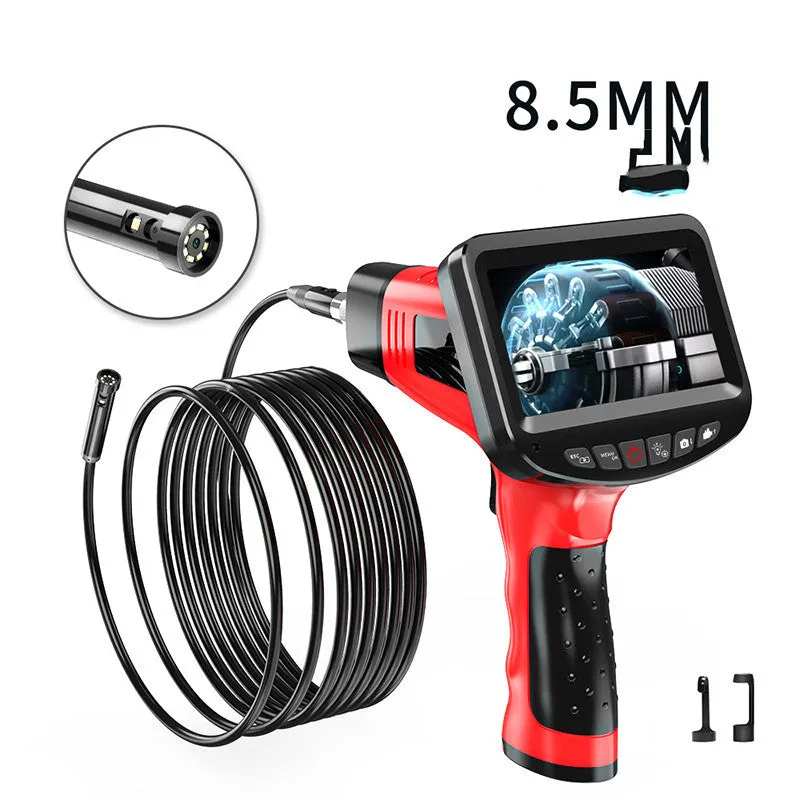
The camera's build is centred on its small-diameter probe and the configuration options for its connecting cable. This section details the tangible specifications that define its capability and practical application.
Material and Build
The product is identified as model DD-001. The probe itself has a specified diameter of 8.5mm, which is a critical measurement determining the minimum size of opening it can enter. The dual-lens configuration is a stated feature, designed to provide a comprehensive viewing angle from the tip of the probe. The construction materials for the camera housing and lenses are as per the manufacturer's standard build for this model type.
Size and Practical Fit
The 8.5mm probe diameter is the key dimensional fact. This size makes it suitable for a range of common inspection points, such as spark plug holes, drainage pipes, or gaps in machinery. Users must match this dimension to their access requirements. The product does not include other body dimensions; its functional size is defined by the probe and the selected cable length, which is the other major configurable element of its design.
Uses and Placement
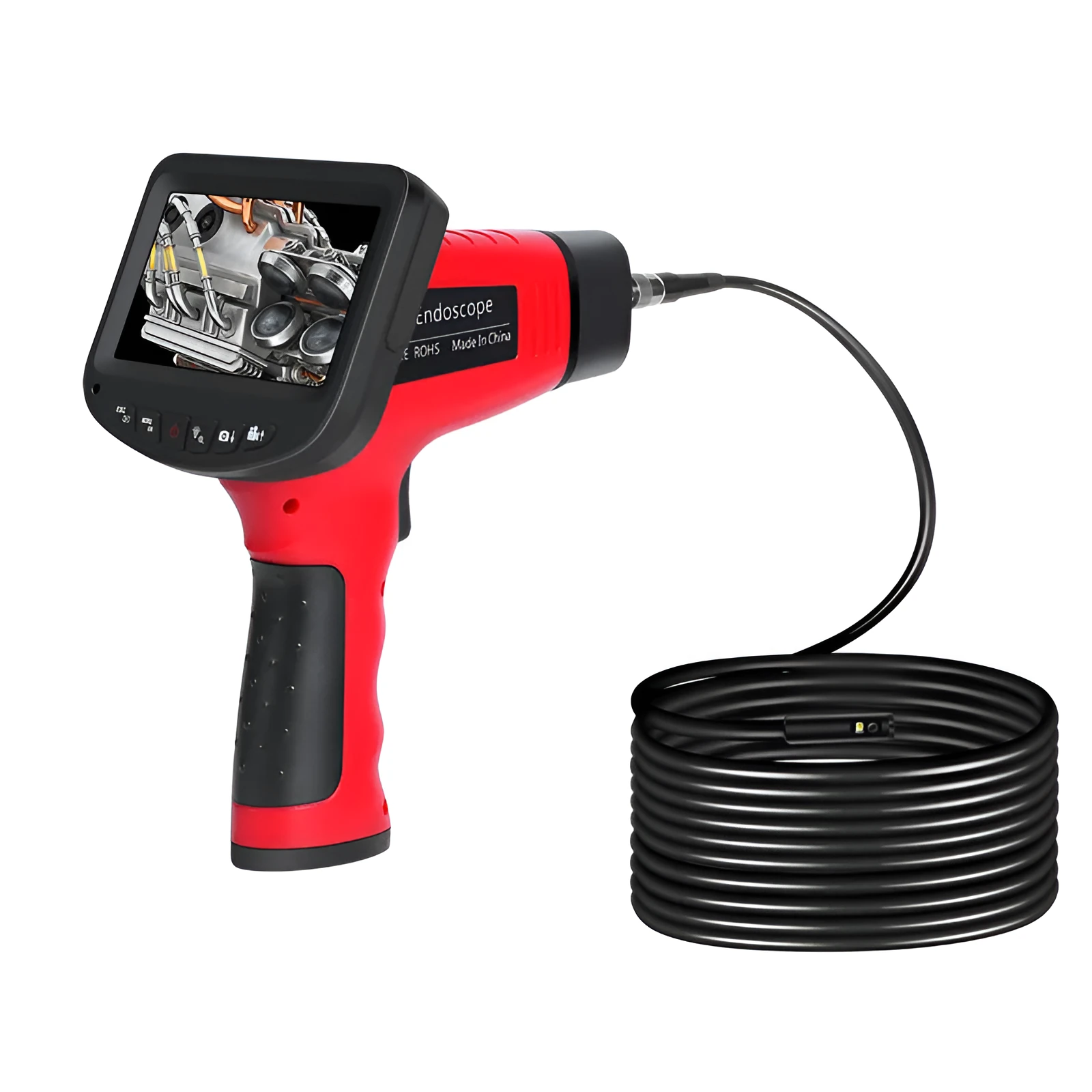
The camera's application is tied directly to its physical design: a small, cable-fed camera. This section outlines realistic scenarios where its specifications provide a practical solution.
Event or Professional Use
In professional contexts like automotive repair or facilities maintenance, this tool aids in preliminary diagnostics. A mechanic might use the 1m snake pipeline option to visually inspect cylinder walls or look for oil leaks around engine components without first removing major parts. A building maintenance technician could employ the longer hard wire options to check for blockages in straight pipe runs, potentially identifying the need for targeted repairs and saving time on exploratory dismantling.
Everyday Home Use
For home users, the camera can assist with domestic troubleshooting. This could involve using the flexible snake pipeline to locate a lost item behind kitchen cabinets, checking for pest nests in wall voids, or inspecting the condition of sink U-bend pipes. The ability to capture images via the included memory card allows homeowners to document issues for professional contractors or for personal reference during DIY projects.
Benefits and Buying Value

The value of this inspection camera lies in its role as a problem-identification tool. Its benefits are derived from its concrete specifications and the choice it offers.
Reuse and Low Maintenance
As a diagnostic tool, its primary value is in repeated use across multiple jobs. The rigid hard wire options are suited to applications requiring consistent, repeated access down similar pathways. The camera requires minimal maintenance beyond keeping the lenses clean and storing the cable properly to avoid kinks, especially in the snake pipeline version. Its longevity is tied to careful use appropriate for its 8.5mm probe and cable construction.
Why Choose This Product
This model presents a clear choice based on two key, source-supported differentiators: the 8.5mm dual-lens probe and the cable configuration. The dual lenses may offer a viewing advantage over single-lens models in certain orientations. The option between a short, flexible snake pipeline and longer, rigid hard wires allows the buyer to select the tool best matched to their most frequent type of inspection task, whether that involves navigating curves or achieving greater straight-line depth.
